Song Meaning
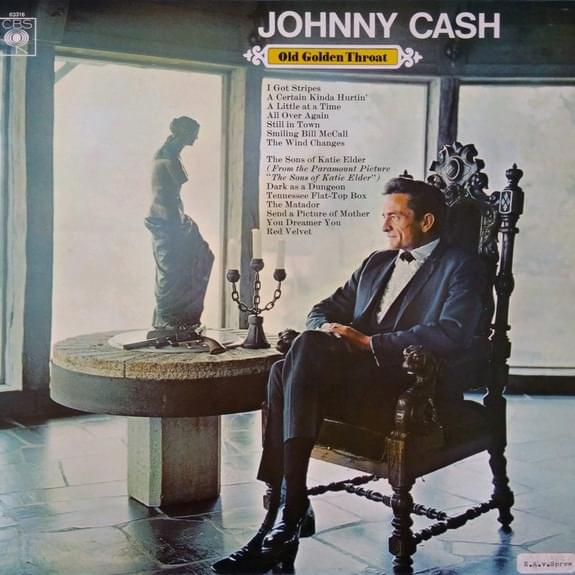
Johnny Cash's "Red Velvet" isn't just a country lament; it's a miniature tragedy of mismatched desires, played out against the stark backdrop of rural life. The opening verse introduces a woman arriving in April, a time of promise, only to find herself suffocated by the autumn winds and the isolating distance from town. This sets the stage for the central metaphor: "red velvet," a symbol of luxury, sophistication, and perhaps even a touch of rebellion, simply cannot thrive on a "bordered farm." Cash's genius lies in the understated delivery, hinting at the unspoken tensions and the inevitable departure. It's a clash of worlds, a woman whose spirit craves something beyond the confines of her surroundings. The narrator acknowledges his own limitations, recognizing that he couldn't hold onto something so inherently out of place.
The repeated chorus reinforces the core theme, underscoring the futility of trying to contain something inherently vibrant and unconventional. The image of her walking "down the line" in red velvet and high heels is particularly evocative. It's a visual representation of her reclaiming her freedom, even if it means leaving behind a life that was never truly hers. The "dusty autumn winds" become a recurring motif, symbolizing the harsh realities and the fading of dreams. There's a sense of resignation in the narrator's voice, a quiet acceptance of the inevitable.
In the second verse, the narrator is left alone, counting December stars. The imagery shifts from autumn's decay to winter's desolation, emphasizing the depth of his loss. Yet, there's also a hint of resilience. He plans to go into town, suggesting a tentative step towards moving on, even if the nights remain "long and slow to go." "Red Velvet" is a poignant exploration of longing, incompatibility, and the quiet heartbreak that comes from recognizing the limitations of one's own world. It's a reminder that some spirits are simply too bright to be contained, and sometimes, the most loving thing you can do is let them go.
 View Artist