Song Meaning
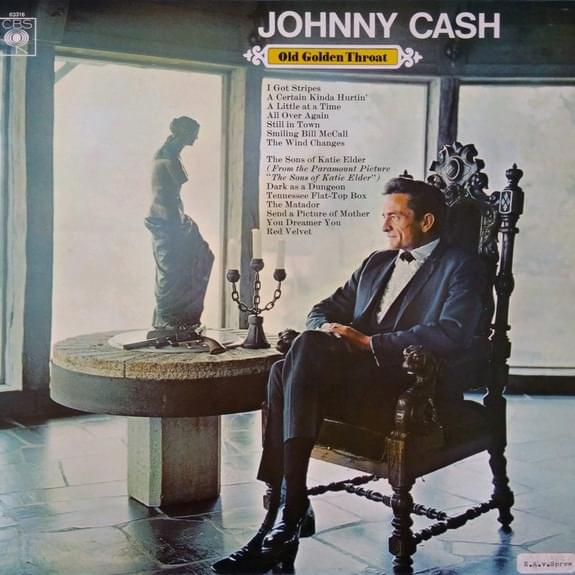
{"song_id": 11773018, "meaning": "Johnny Cash's \"The Wind Changes\" isn't a simple country ballad; it’s a masterclass in emotional impasse, a lyrical portrait of a relationship caught in the undertow of its own contradictions. The song meaning resides in that tense space between wanting to hold on and knowing, with a weary certainty, that letting go is the only viable path. Cash, with his signature gravitas, doesn't deliver a fiery breakup anthem, but a quietly devastating acknowledgment of a love that's become untenable. He’s not railing against a betrayal, but lamenting the slow, agonizing erosion of connection. The repeated line, \"It's not that I don't love you anymore,\" is the most painful confession of all, because it admits that love alone isn't enough.
The chorus serves as the emotional core, a stark declaration of the conditions required for any kind of reconciliation. \"Not until the wind changes / Not until my heart erases / Every single memory of you\" speaks to a desire for a total reset, an almost impossible cleansing of the emotional slate. The wind, a symbol of change and shifting fortunes, becomes the arbiter of their fate. It's a passive hope, a surrender to forces beyond their control. The lyrics highlight the futility of trying to force a resolution. Cash's narrator isn't demanding change from his partner; he's acknowledging an internal shift is needed before anything can move forward.
The final verse, with lines like \"I don't want to lose what we never had / I don't want the dream of living in the past,\" reveals the psychological complexity of clinging to a relationship built on unrealized potential. It's the fear of losing the *idea* of what could have been, a phantom limb of love. The admission, \"I never saw you coming I don't want to watch you go,\" speaks to a vulnerability, a sense of being blindsided by the relationship's inevitable decline. Ultimately, \"The Wind Changes\" is a poignant meditation on the bittersweet agony of recognizing when love, despite its lingering presence, is no longer enough to sustain a shared future."}
 View Artist