Song Meaning
Johnnie Ray's "Whiskey and Gin" isn't just a simple ode to a hard-drinking woman; it's a compact study in the push and pull of desire and the quiet resignation that often accompanies it. The repeated refrain, "I got a gal who drinks whiskey and gin," immediately establishes the central characteristic of this woman, framing her as someone who indulges, perhaps even to excess. This detail isn't merely descriptive; it hints at a personality that's both alluring and potentially volatile. The narrator's affection is palpable – "Kisses me goodnight, hugs and squeezes me tight; oh Lord, I live her so!" – but this adoration exists alongside an unspoken understanding of impermanence.
The subsequent lines deepen the complexity. The image of being led "to the river where the still water flows" carries a distinct symbolic weight. Rivers often represent journeys and transitions, and "still water" can evoke a sense of peace, but also stagnation or even death. Is this a metaphorical space where their love finds solace, or is it a place of quiet ending? The ambiguity is crucial. The narrator acknowledges that she "knows where love begins; yes I know she's gotta go," revealing a bittersweet acceptance. He understands that this intoxicating connection, fueled by "whiskey and gin," is ultimately fleeting.
The final lines, "Even though it ain't no sin / To love a gal who drinks whiskey and gin," offer a poignant defense of his affection. He's not ashamed of his love, even if society (or perhaps his own internal critic) might judge it. The song becomes a quiet rebellion against conventional expectations, a celebration of a love that's both intoxicating and destined to fade. The very simplicity of the lyrics underscores the universality of the experience: the magnetic pull of a flawed but fascinating individual, and the melancholic knowledge that some loves are simply not built to last.
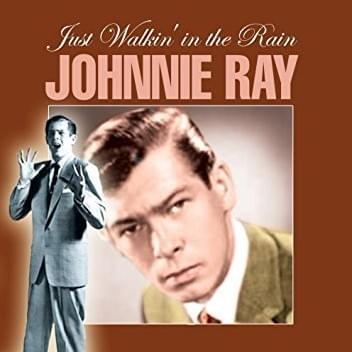
 View Artist