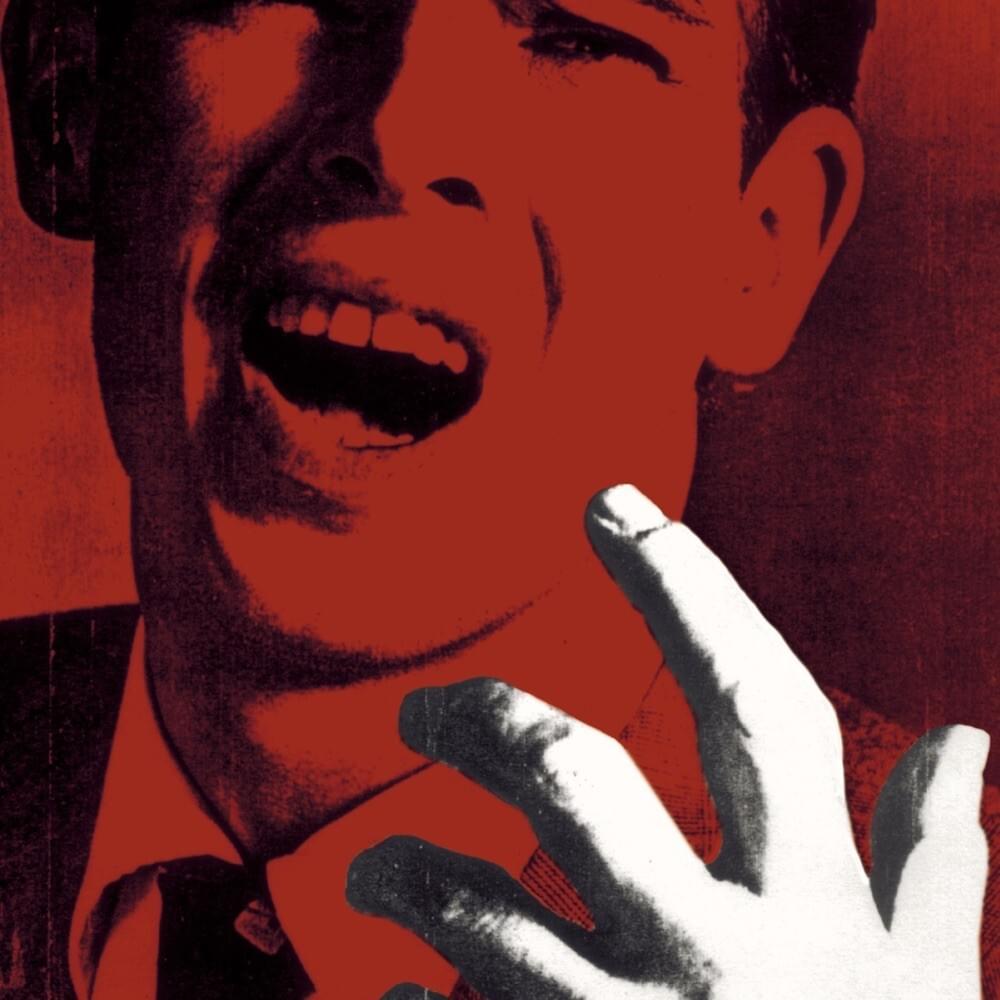
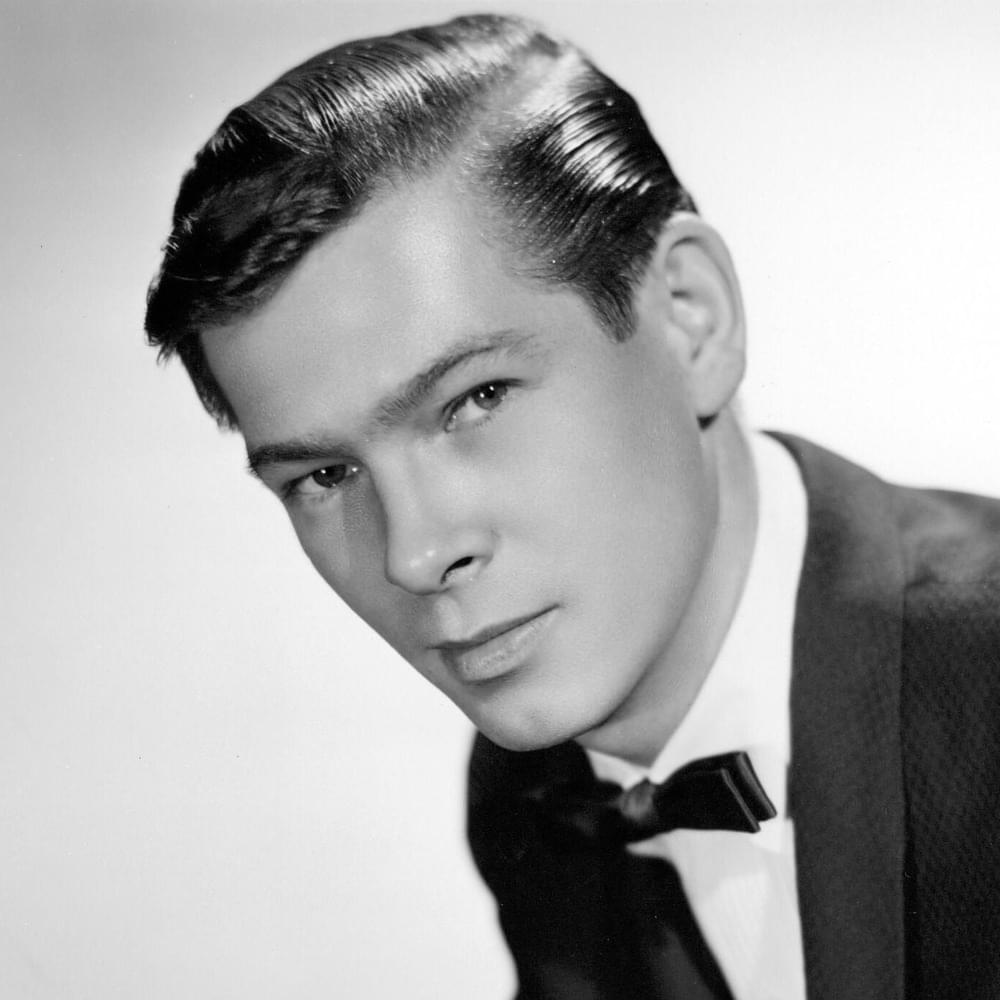
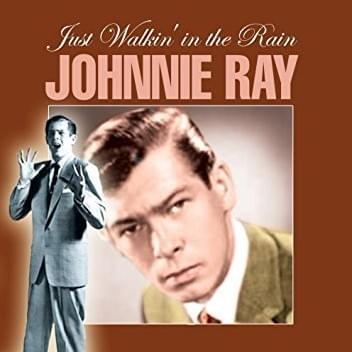
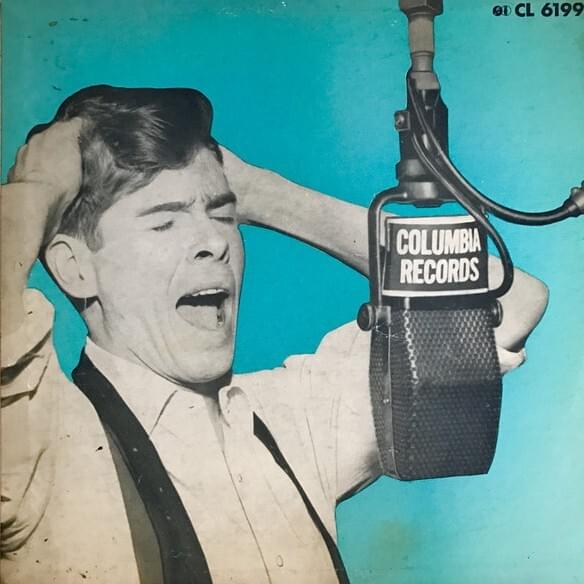
Johnnie Ray, a name synonymous with raw emotion and groundbreaking stage presence, emerged from the Pacific Northwest to become one of the most significant pop vocalists of the 1950s. Born in Dallas, Oregon, Ray overcame significant hearing impairment to develop a unique vocal style that captivated audiences worldwide. He wasn't just singing songs; he was baring his soul, paving the way for future generations of artists who dared to be vulnerable.
Ray's early career saw him honing his craft in clubs across the country, developing a passionate stage persona that contrasted sharply with the buttoned-down image of many performers of the era. He wasn't afraid to cry on stage, to writhe in anguish, or to connect with his audience on a deeply personal level. This intensity, combined with his undeniable vocal talent, quickly garnered him a devoted following.
The breakthrough came with his signing to Okeh Records and the subsequent release of Cry. The song became a massive hit, topping the charts and establishing Ray as a major star. Its success wasn't just about the melody; it was about the palpable emotion in Ray's voice, the feeling that he was truly experiencing the pain he was singing about. This authenticity resonated with listeners who were yearning for something more than just polished perfection.
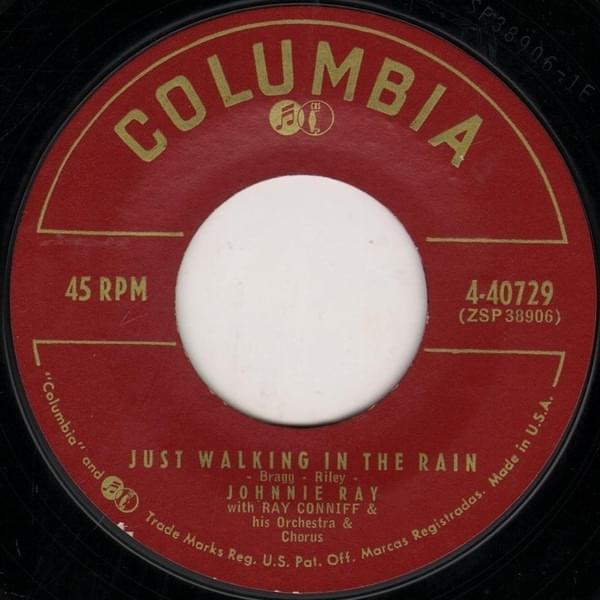
Following the success of "Cry", Ray delivered a string of hits including Just Walking in the Rain, a song that showcases his tender delivery and emotive range. He became known as the "Nabob of Sob," a title that acknowledged his mastery of heart-wrenching ballads. His ability to connect with audiences also made tracks like Please Mr. Sun popular. Ray's influence extended beyond popular music. His willingness to express raw emotion on stage influenced the development of rock and roll performance styles.
While his star faded somewhat in later years as musical tastes shifted, Johnnie Ray's impact on popular music remains undeniable. He was a pioneer, a trailblazer, and an artist who dared to be himself, paving the way for future generations of performers who embraced vulnerability and emotional honesty. His legacy lives on through his recordings, reminding us of a time when music could truly touch the soul. Don't miss out on listening to Hey There and Walking My Baby Back Home to get a sense of his unique blend of talent and stage persona.