Song Meaning
The narrator kicks off with a scene of domestic tranquility, a manicured lawn and a comforting routine. This idyllic setup is immediately undercut by a jarring, violent image: a "bloodying, Nordic rowing song." This contrast sets the stage for a narrative that quickly spirals from a hopeful escape into something far more desperate and destructive. The act of stealing his girl from her backyard signals a departure from normalcy, a rash decision fueled by an unknown urgency.
Their grand plan to "chang[e] our lives" dissolves into the mundane reality of a "Holiday Inn, Riverside." This anticlimax highlights the gap between aspiration and execution. The hope for a transformative journey is immediately met with the sterile anonymity of a roadside motel, hinting at the instability of their endeavor. The repetition of this line later in the song emphasizes how this unfulfilled promise becomes the central, crushing weight of their experience.
The true emotional core emerges with the jarring confrontation in the hotel. The narrator finds his girl on the phone, confessing, "I miss you, I'm coming home." This revelation shatters the illusion of their shared escape. The physical struggle that follows—"pulled her by the arm, she grabbed me by the throat"—is a brutal depiction of their relationship's unraveling. It’s a violent, desperate struggle for control, a stark contrast to the initial romanticized flight.
The narrator's response is one of pure, destructive rage. He throws her belongings off the balcony, a symbolic act of severing ties and obliterating the shared past. This violent outburst, however, doesn't resolve the underlying desperation. The lyrics suggest that the hope for change was fragile, easily broken by the harsh realities of their situation and the volatile dynamics of their connection, leaving only wreckage behind.
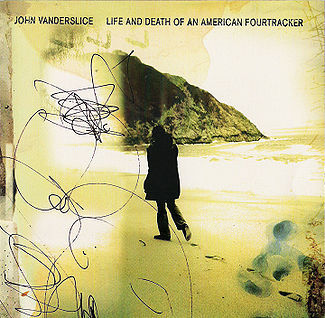
 View Artist