Song Meaning
The lyrics paint a stark picture of someone grappling with a profound internal struggle, necessitating medication to "regulate my uncontrollable urge." The opening lines, "So long, goodbye / By order of the Pasadena court," suggest a forced separation or a legal mandate, perhaps related to the narrator's condition. This sets a somber, almost resigned tone, immediately grounding the listener in a difficult reality where external forces are dictating the terms of existence. The phrase "Five hundred milligrams" directly points to a pharmaceutical intervention, emphasizing the clinical and controlled nature of the current state. The narrator is held "down by a pharmaceutical hand," highlighting a sense of being managed rather than healed.
The central tension arises from the contrast between the narrator's past self and their present state. They plead, "Remember me as I was," recalling a time of "too much life, oh, and too much love" and a "stunning stunt" like a "jumping chandelier." This imagery evokes a vibrant, perhaps even reckless, energy. Now, the narrator feels diminished, drifting like a "failing satellite" with "talking in my head got harder to understand." This juxtaposition underscores a profound loss of self, a trading of intense, albeit overwhelming, vitality for a managed, subdued existence.
The most striking craft element is the use of the drug's name, "Amitriptyline," as a refrain. It's not just a label but a sonic anchor, repeated with a sense of both dependence and perhaps a weary acceptance. The lyrics also employ potent, almost surreal imagery to describe past experiences, like "The crowning dove, the clowning judge" and a "Sad king alone in the western wing / Holding foe's laughing, severed head." These fragmented, powerful images hint at a complex inner world, one that was perhaps too much to bear, leading to the current need for regulation. The narrator acknowledges a past of "high-res euphoria," suggesting a history of extreme emotional states, both positive and negative, that now require the steadying hand of medication.
Ultimately, these lyrics resonate because they articulate the quiet desperation of managing an internal chaos. The effectiveness lies in the directness of the pharmaceutical reference juxtaposed with the poetic, almost mythic, descriptions of the narrator's past and present selves. It’s not just about taking medicine; it’s about the profound internal shift that necessitates it, a trade-off between a wild, unmanageable spirit and a regulated, albeit less vibrant, existence. The plea to be remembered as they were speaks to the core of this loss, making the clinical reality of "Amitriptyline" feel deeply personal and poignant.
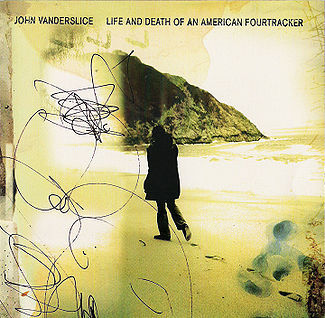
 View Artist