Song Meaning
John Lee Hooker's "You've Taken My Woman" is a masterclass in minimalist blues storytelling, a raw nerve exposed with just a few lines. The song's power lies not in elaborate metaphors or complex narratives, but in the stark simplicity of betrayal. Hooker isn't just lamenting the loss of a lover; he's grappling with the violation of trust by someone he considered a friend. That sting of personal betrayal elevates the track beyond a standard blues lament. The repetition of "You've taken my woman" drills the point home, a mantra of disbelief and hurt. It's primal, direct, and cuts through any pretense.
The lyrical core of "You've Taken My Woman" hinges on the inexorable law of karma: "You've got to reap just what you sow." This isn't a passive resignation to fate, but a simmering threat, a blues prophecy. Hooker isn't begging for forgiveness or pleading for the woman's return. He's issuing a warning, a promise that the betrayer's actions will inevitably circle back upon them. This shifts the focus from personal pain to a broader sense of justice, or perhaps, revenge. The ambiguity in the lyrics—the 'despite somebody else' phrase—adds another layer of complexity. Is Hooker implying that the woman was already involved with someone else, making the betrayal even more convoluted? Or is he suggesting that the friend acted in defiance of social norms or a previous agreement? The uncertainty amplifies the emotional weight of the song.
Ultimately, "You've Taken My Woman" resonates because it taps into universal themes of love, loss, and betrayal. Hooker's delivery, even within the confines of the recording, is both vulnerable and menacing. He distills the blues to its essence: a potent mix of pain, anger, and a quiet, unwavering belief in karmic retribution. The song isn't just about a stolen woman; it's about the consequences of actions and the enduring human struggle to make sense of injustice. It’s a reminder that even in the simplest of blues structures, profound emotional truths can be unearthed.
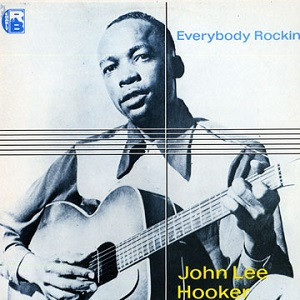
 View Artist