Song Meaning
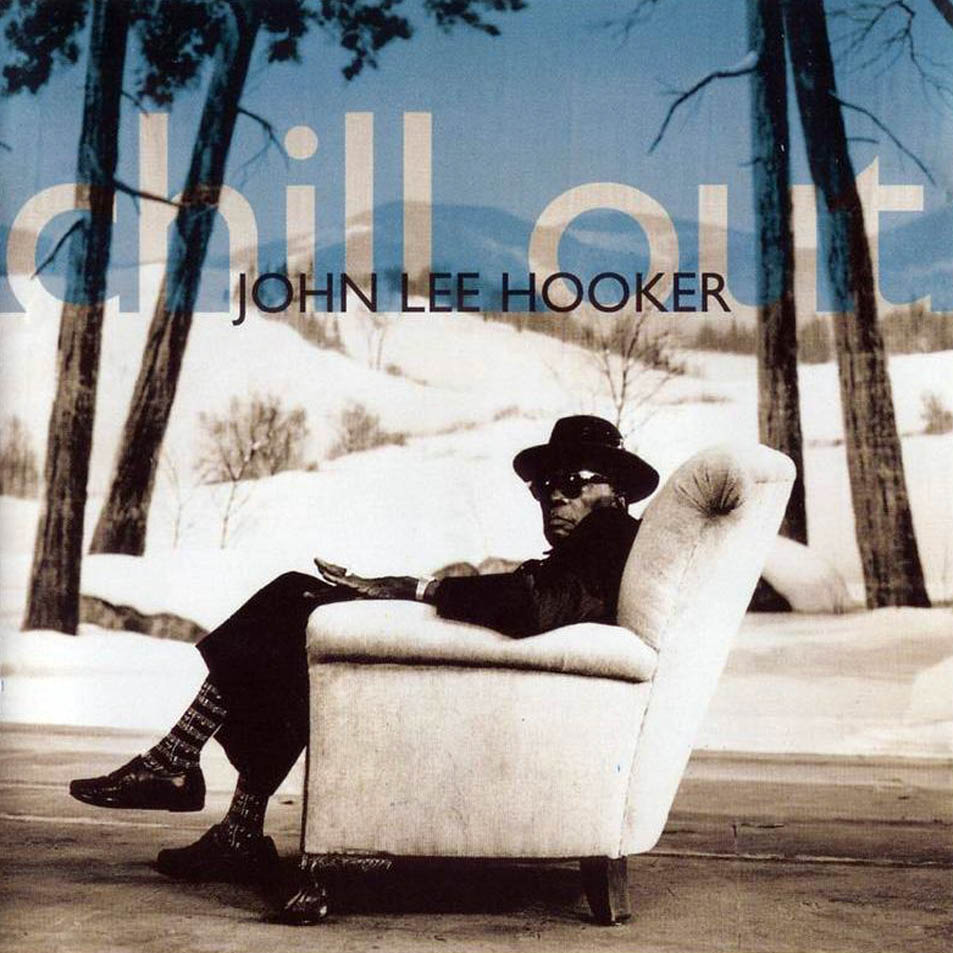
John Lee Hooker singing Vera Lynn? The dissonance alone piques interest, but the stark simplicity of "We'll Meet Again" cuts deeper when filtered through Hooker's world-weary delivery. Stripped of its original wartime context, the song's core message—hope amid uncertainty—takes on a broader, almost existential dimension. Hooker, a master of blues lament, transforms a song of patriotic resolve into a meditation on loss and the fragile promise of reunion. It's no longer about soldiers returning home; it's about the universal ache of separation, the quiet desperation of hoping against hope. Each repetition of "We'll meet again, don't know where, don't know when" becomes less a confident assertion and more a whispered prayer, a bluesman's plea against the void.
The lyrics, almost childlike in their directness, stand in stark contrast to the raw emotionality Hooker typically exudes. Yet, that very contrast is what makes this rendition so compelling. The "sunny day" becomes less a literal meteorological event and more a metaphor for a hoped-for resolution, a break in the clouds of sorrow that perpetually loom. The instruction to "Keep smiling true, just like you always do" feels less like a pep talk and more like a survival mechanism, a fragile shield against the relentless onslaught of life's hardships. It's the blues distilled to its purest essence: finding a sliver of light in the face of overwhelming darkness.
Ultimately, John Lee Hooker's rendition of "We'll Meet Again" isn't about national unity or unwavering optimism. It's about the enduring human need for connection, the solace found in the mere possibility of future reunion. The song meaning shifts from a call to arms to a quiet acknowledgment of shared pain, a reminder that even in the darkest of times, the hope for a "sunny day," however distant, can be enough to keep us going. In Hooker's hands, Vera Lynn's anthem transforms into a poignant blues ballad for the ages.
 View Artist