Song Meaning
John Lee Hooker's "Weeping Willow Boogie" isn't just a blues standard; it's a primal scream of desire and vulnerability, masked by the deceptively simple structure of the lyrics. The weeping willow, a classic symbol of mourning and sorrow, is cleverly transposed onto the female figure. She isn't just sad; her sadness is intertwined with her sexuality, her need for connection so profound it manifests as a constant state of weeping. This isn't just heartbreak; it's a fundamental, almost existential longing. The weeping isn't necessarily a sign of distress, but rather an expression of deep, overwhelming emotion that accompanies intense pleasure and love.
Hooker's genius lies in the stark contrast between the sorrowful image of the weeping willow and the raw, almost frantic, demand for love. The line, "Every time she love me, She make my love come down," suggests a reciprocal exchange of intense emotional energy. It points to the idea that the woman's vulnerability unlocks a deeper, more profound experience of love for the narrator as well. Her emotional expression is a catalyst. The repetitive, almost mantra-like quality of "Love me, love me, love me, daddy, Love me all night long" underscores the urgency of her need, stripping away any pretense and laying bare the fundamental human desire for intimacy and reassurance.
Ultimately, "Weeping Willow Boogie" is a complex exploration of the intertwined nature of love, sorrow, and desire. It's about the vulnerability inherent in seeking connection, and the raw, unfiltered need for love that drives us all. The song's meaning resides in that tension between the weeping willow's sorrow and the boogie's ecstatic release. John Lee Hooker masterfully conveys the feeling of needing to be loved, not just for comfort, but for a profound sense of self-validation and existence.
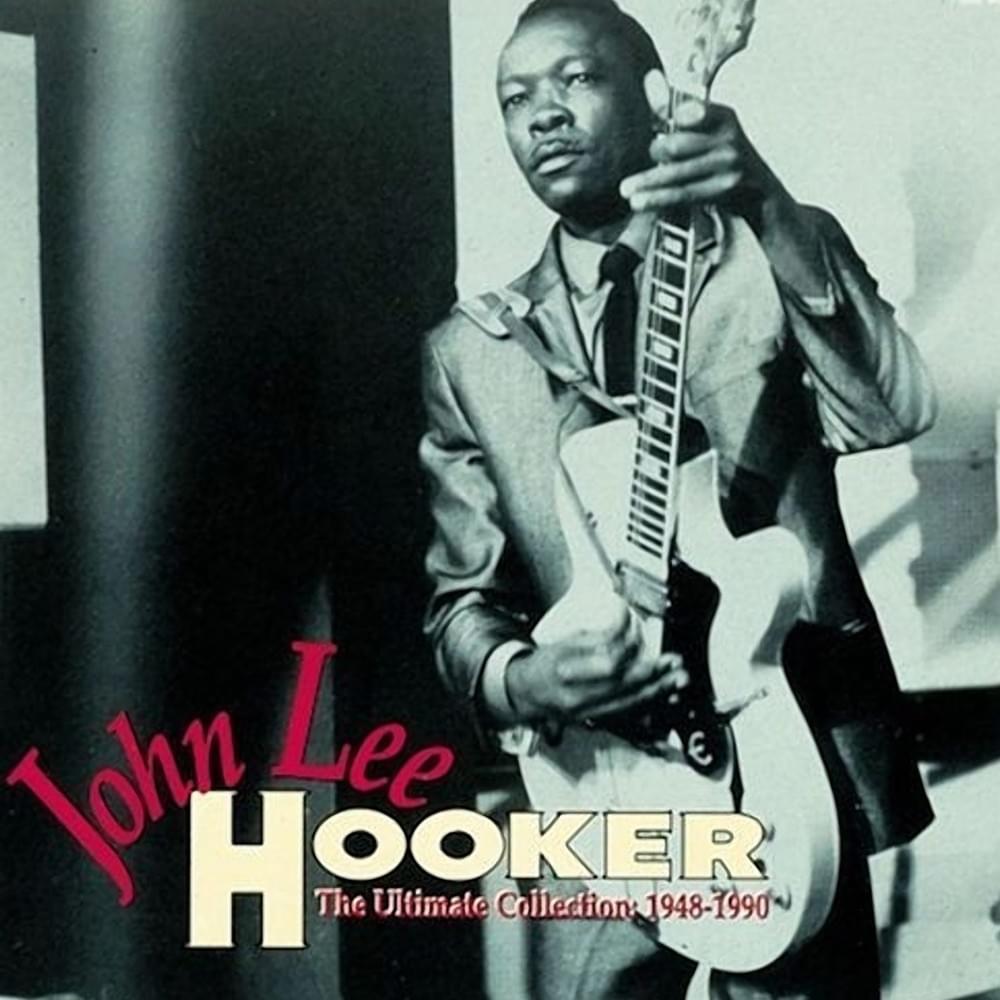
 View Artist