Song Meaning
John Lee Hooker's "The Hobo" isn't just a blues lament; it's a raw nerve of abandonment, echoing with the psychic weight of a man unmoored. The repetitive "hobo'd, hobo'd" isn't a celebration of freedom, but rather an incantation, a desperate attempt to reconcile with a self perpetually in flight. He has "hobo'd a long, long way from home," suggesting a distance that's both geographic and deeply emotional. The blues, at its core, explores themes of dislocation and searching, and in "The Hobo" these themes are palpable. The train becomes both a mode of transport and a metaphor for the relentless forward motion, running away from something rather than toward anything. This song exposes the painful consequences of choosing a life of wandering.
The image of his mother following him "down to the yard" is particularly haunting. It's not just a physical pursuit; it's a psychic one, the embodiment of guilt and the ties he's severing. Her mourning – "my son he'd gone, he'd gone" – is less about his physical absence and more about the death of the son she knew. He acknowledges the cost of his choices, confessing he "left my dear old mother" and "left my honor." The line "need a crime" is ambiguous, but suggests the necessity of his actions, however damaging, as a form of desperate self-preservation. The blues often deals with the consequences of choices, and Hooker doesn't shy away from portraying the bleak truth of this life.
Ultimately, the song is a plea disguised as a confession. The final verse, "Take care of my child," isn't just a request; it's an admission of his own inadequacy, an acknowledgement that he is incapable of providing the stability and care a child needs. It underscores the profound sense of loss and the broken familial bonds that define the hobo's existence. The rawness of Hooker's voice, combined with the stark simplicity of the lyrics, creates a portrait of a man wrestling with the consequences of his freedom, forever haunted by the ghosts he left behind. He embodies the tragic figure of a man driven by forces that he can neither control nor escape.
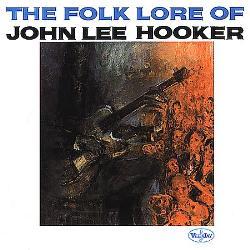
 View Artist