Song Meaning
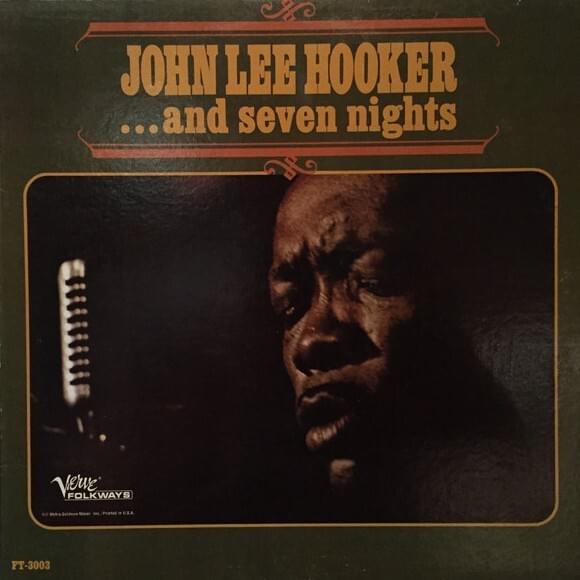
John Lee Hooker's "Seven Days and Seven Nights" isn't just a blues lament; it's a raw, compressed study of grief and the tentative tendrils of hope. The song's core simplicity—seven days of isolation, punctuated by the stark admission of being unable to eat or sleep—paints a visceral picture of heartbreak's immediate aftermath. Hooker isn't interested in grand pronouncements. Instead, he uses repetition and minimal lyrical flourishes to convey the crushing weight of abandonment. The darkness he describes isn't merely physical, but a suffocating emotional state. The pulled-down blinds become a metaphor for shutting out the world, a self-imposed prison built from sorrow.
The genius of Hooker’s approach lies in the subtle shift that occurs when his baby returns. It's not a triumphant return, heralded by fanfare. Instead, it's a quiet intrusion – a doorbell ringing, a figure walking into the darkness. This understated reunion highlights the fragility of the healing process. The return of his lover doesn't magically erase the pain, but it offers a glimmer of light, a possibility of re-engagement with life's basic necessities. The ability to eat, sleep, and drink water aren't just physical acts; they are symbolic gestures of re-entry into the world of the living.
Ultimately, "Seven Days and Seven Nights," is a testament to the cyclical nature of love and loss. The seven-day period functions as a symbolic marker of intense emotional experience, a contained unit of suffering. The song doesn't offer a neatly resolved ending; rather, it captures a moment of tentative recovery, a fragile hope that emerges from the depths of despair. The blues, in Hooker's capable hands, becomes a vehicle for exploring the delicate balance between devastation and the enduring human capacity for resilience.