Song Meaning
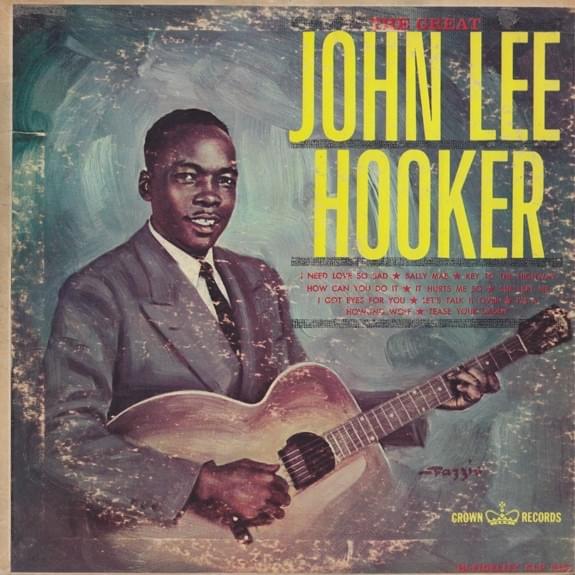
John Lee Hooker's "Sally Mae" isn't just a blues lament; it’s a masterclass in the psychology of love and resentment. The song circles around a central, agonizing paradox: the speaker's unwavering affection for Sally Mae fuels her mistreatment of him. He acknowledges this dynamic with a weary resignation, understanding, perhaps subconsciously, that his vulnerability is both the source of his pain and the tether binding him to her. The raw simplicity of the lyrics belies a complex emotional landscape where love, anger, and a desperate hope for change intertwine. It’s a brutal honesty that resonates far beyond the traditional blues framework.
The repeated invocation of Sally Mae's name underscores the speaker's fixation. It's a mantra of hurt, each repetition layered with a blend of longing and accusation. The stark declaration, "you know I love you, that's why you treat me like you do," reveals a painful awareness of the power dynamics at play. He recognizes that his love is not a source of strength, but a vulnerability that Sally Mae exploits. This isn't just heartbreak; it's a dissection of how love can be weaponized, how intimacy can breed contempt. The blues scale bends and twists, mirroring the contortions of a heart caught in this emotional trap.
But within the lament lies a flicker of defiance. The speaker's threat to "drive you out of town" if he were chief of police, while seemingly hyperbolic, hints at a simmering rage. The dismissive comparison of Sally Mae to a "no good weed" that even cows won't eat is a harsh judgment, revealing the depth of his disillusionment. Yet, even in these moments of anger, there's an underlying plea for Sally Mae to change, to revert to a time when their relationship wasn't defined by such imbalance. The final verse, a direct address urging her to "change in your younger days," carries a weight of desperation, suggesting that the speaker fears time is running out, both for Sally Mae and for their fragile connection. In essence, "Sally Mae" is a profound exploration of the darker corners of love, where vulnerability is exploited, and hope struggles to survive against the odds.
 View Artist