Song Meaning
John Lee Hooker's "Lost a Good Girl" isn't just a blues lament; it's a brutally honest self-indictment. The song's core resonates with the universal sting of regret, but Hooker doesn't deflect blame. He owns his failings with a stark simplicity that cuts deeper than any elaborate metaphor. It’s a raw nerve exposed: the moment a man realizes the value of what he carelessly discarded. The repetition in the lyrics—"I lost a good woman just about to break my heart"—functions almost like a mantra of self-recrimination, each iteration deepening the sense of loss and reinforcing his culpability. It's a gut punch delivered with minimal instrumentation, typical of Hooker's signature style.
The lyrics analysis reveals a portrait of neglect. The woman's pleas for him to stay home, to simply be present, are met with indifference. Hooker admits he "wasn't paying no mind," choosing instead to chase fleeting pleasures "running around night and day." This speaks to a deeper psychological truth: the human tendency to prioritize immediate gratification over long-term connection. He actively avoids communication, grabbing his hat and running whenever she tries to connect. This avoidance isn't just about escaping responsibility; it suggests a fear of intimacy, a reluctance to confront his own emotional shortcomings.
Ultimately, "Lost a Good Girl" transcends the personal and becomes a cautionary tale. The final verse shifts from regret to a present-tense reckoning: "Now she mistreats me, I can't take it no more." This isn't a plea for sympathy; it's the inevitable consequence of his actions. He sowed the seeds of his own unhappiness, and now he's reaping the bitter harvest. The song meaning lies not just in the loss of a woman, but in the painful recognition of self-inflicted wounds. It's a blues song stripped bare, leaving only the essential human truth of cause and effect.
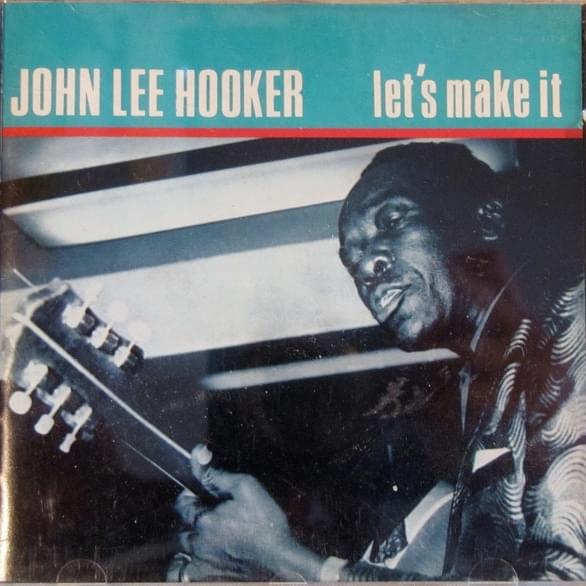
 View Artist