Song Meaning
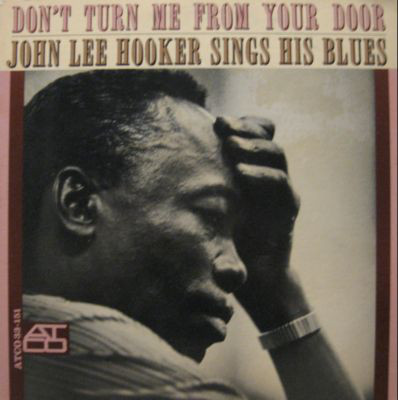
{"song_id": 10703146, "meaning": "John Lee Hooker's plaintive cry in \"Don't Turn Me from Your Door\" isn't just a simple plea for shelter; it's a raw, existential howl echoing across the American landscape. The song meaning resides in its stark portrayal of alienation and the desperate search for belonging. Hooker embodies the archetypal wandering soul, a figure deeply embedded in the blues tradition. He's the stranger, the pilgrim, perpetually on the outside looking in, emphasizing the lack of a physical and spiritual home. The repeated phrase \"borrowed land\" speaks volumes about the precariousness of his existence, a feeling of being perpetually indebted and never truly owning a piece of the world. This resonates with the historical experience of marginalized communities, dispossessed and denied a sense of place. The lyrics transcend literal homelessness, suggesting a deeper longing for acceptance and connection in a world that often feels cold and indifferent.
The rawness of Hooker's delivery amplifies the emotional weight of the lyrics. He isn't just singing; he's testifying to the psychological toll of being an outsider. The repeated entreaty, \"Don't turn me from your door,\" becomes a desperate mantra, a plea against further rejection. The mention of deceased parents further underscores his isolation, leaving him utterly alone and vulnerable. Yet, within this bleak landscape, a flicker of hope emerges. The \"home on high\" suggests a spiritual refuge, a belief in an afterlife where belonging is guaranteed. This duality – the earthly suffering juxtaposed with the promise of heavenly solace – is a defining characteristic of the blues, offering a sense of resilience in the face of overwhelming adversity.
Ultimately, \"Don't Turn Me from Your Door\" is a powerful exploration of the human need for connection and the devastating consequences of exclusion. John Lee Hooker channels the collective pain of the dispossessed, transforming personal anguish into a universal lament. The song's resonance lies in its unflinching portrayal of vulnerability and its poignant reminder that even in the darkest of times, the hope for acceptance and a place to belong can endure."}
 View Artist