Song Meaning
John Lee Hooker's "Country Boy" isn't just a blues lament; it's a stark portrait of rootlessness and the search for belonging in a world that offers little comfort. The song meaning centers on the archetypal wandering soul, perpetually "driftin' from town to town," burdened by the absence of a home or refuge. This isn't romantic wandering; it's born of necessity, a constant movement driven by an unnamed force, perhaps economic hardship or a deeper, existential unease. The repetition of "I ain't nothin' but a country boy" underscores a lack of identity beyond this transient existence. He's stripped bare, defined only by his movement and his lack of fixed position. The 'country boy' label becomes a symbol of vulnerability and displacement, a signifier of being perpetually on the outside.
The lyrics delve into the emotional toll of this nomadic life. Hooker sings of nights that are "dark and blue," a classic blues trope that speaks to the despair and loneliness that accompany his travels. The image of laying down on the highway, crying for rest, is particularly poignant, illustrating the physical and emotional exhaustion that comes from having "no place to lay my worried head." The sound of a freight train becomes a trigger, not of opportunity, but of a need to flee, further highlighting the instability and anxiety that define his existence. This constant movement isn't a choice; it's a compulsion, a desperate attempt to outrun an internal emptiness.
The final verses introduce a glimmer of hope, or perhaps a different kind of desperation. The encounter with the little girl offers a fleeting moment of connection. Her story of a brother who left home mirrors the singer's own situation, creating an implied bond of shared experience. The reference to the prodigal son is subtle but crucial, suggesting a longing for acceptance and a return to a place of belonging, even if that place is idealized or unattainable. However, the encounter also underscores the singer's vulnerability. He is, in a way, a lost child himself, seeking shelter and recognition in a world that has largely ignored him. The blues, in Hooker's hands, become a vehicle for exploring the psychological weight of displacement and the enduring human need for connection and a place to call home.
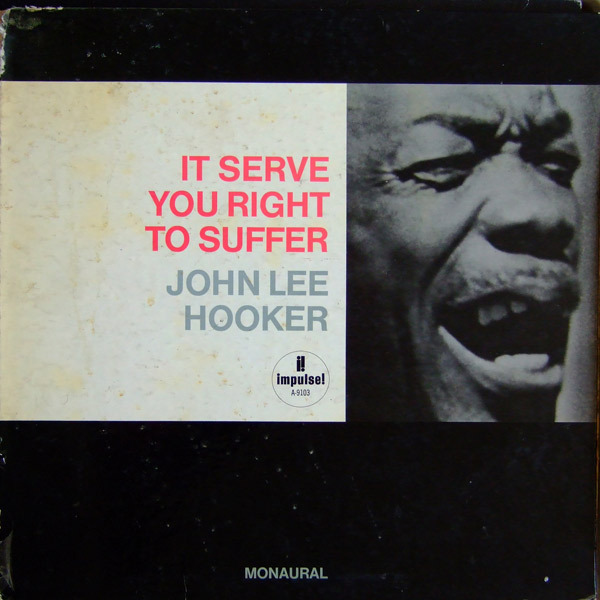
 View Artist