Song Meaning
John Lee Hooker's "Come Back Baby" is less a plea for reconciliation and more a declaration of emotional and spiritual independence, delivered with the raw, bluesy grit that defines his iconic sound. Hooker isn't groveling; he's laying bare the terms of his existence after a relationship gone sour. The opening lines, "Got no lien on my body / Got no mortgage on my soul," are a powerful assertion of self-ownership. He's free from external constraints, and, crucially, free from the emotional debt incurred by this failed love. It's a defiant stance against the power the 'baby' once held over him. The line "You can treat me any kinda way" drips with sarcasm; it's the sound of a man who's been pushed to his limit and found the strength to stand his ground.
The middle verses, where Hooker describes lying down and looking at the moon, introduce a moment of introspective vulnerability. He acknowledges the pain caused by the woman's treatment, admitting, "I was thinkin' to myself, yes, I'm mad." This isn't just anger; it's a recognition of the injustice he's suffered. The moon, a classic symbol of reflection and the feminine, casts a melancholic light on his situation. However, this vulnerability is fleeting. It serves as a bridge to a renewed sense of hope and resilience.
The closing lines shift the tone entirely. "Lord, I'm so glad / This trouble don't last always" is a gospel-tinged affirmation of hope and the cyclical nature of suffering. Hooker finds solace in the belief that pain is temporary. But the final warning, "You gonna reap just what you sow," delivers the ultimate sting. It's not a threat, but a statement of karmic certainty. "Come Back Baby" ultimately reveals a complex emotional landscape. It’s a song about heartbreak, yes, but more profoundly, it's about the enduring power of self-possession and the inevitable consequences of one's actions. John Lee Hooker doesn’t just sing the blues; he embodies them, transforming personal pain into a universal statement of resilience.
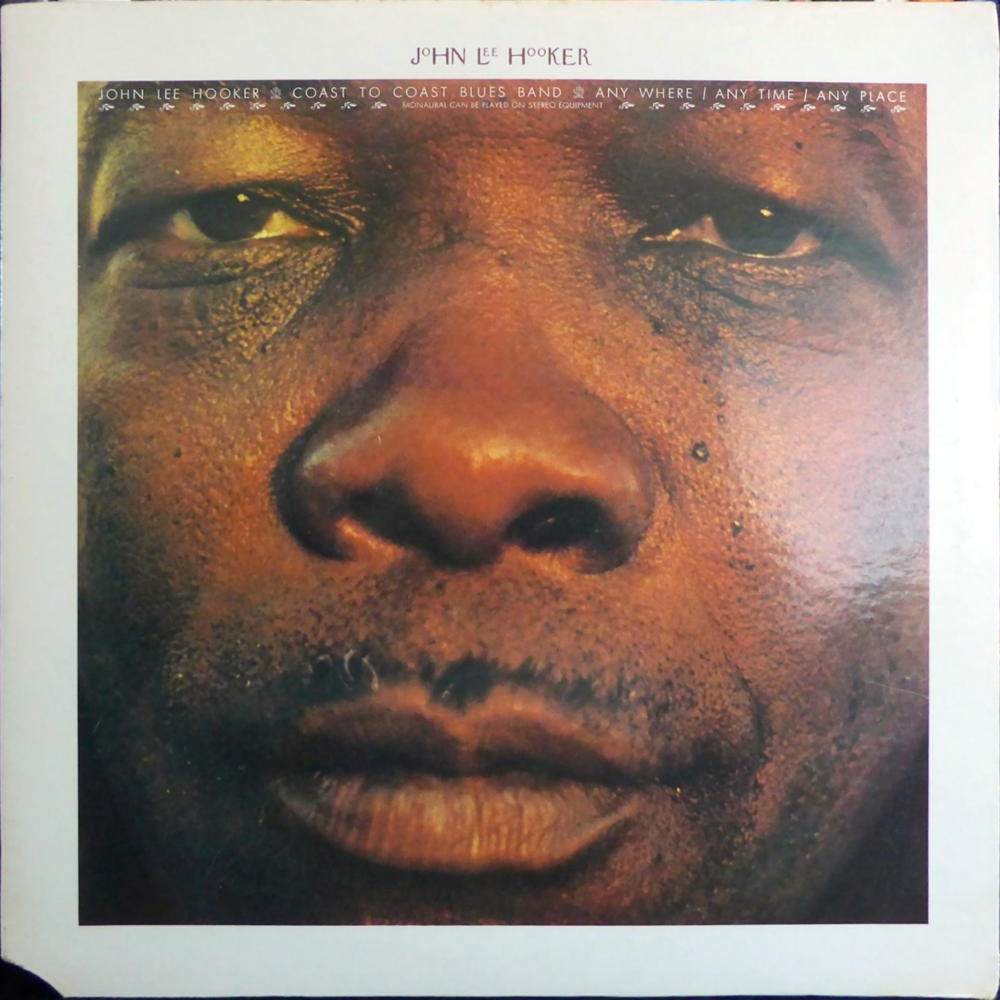
 View Artist