Song Meaning
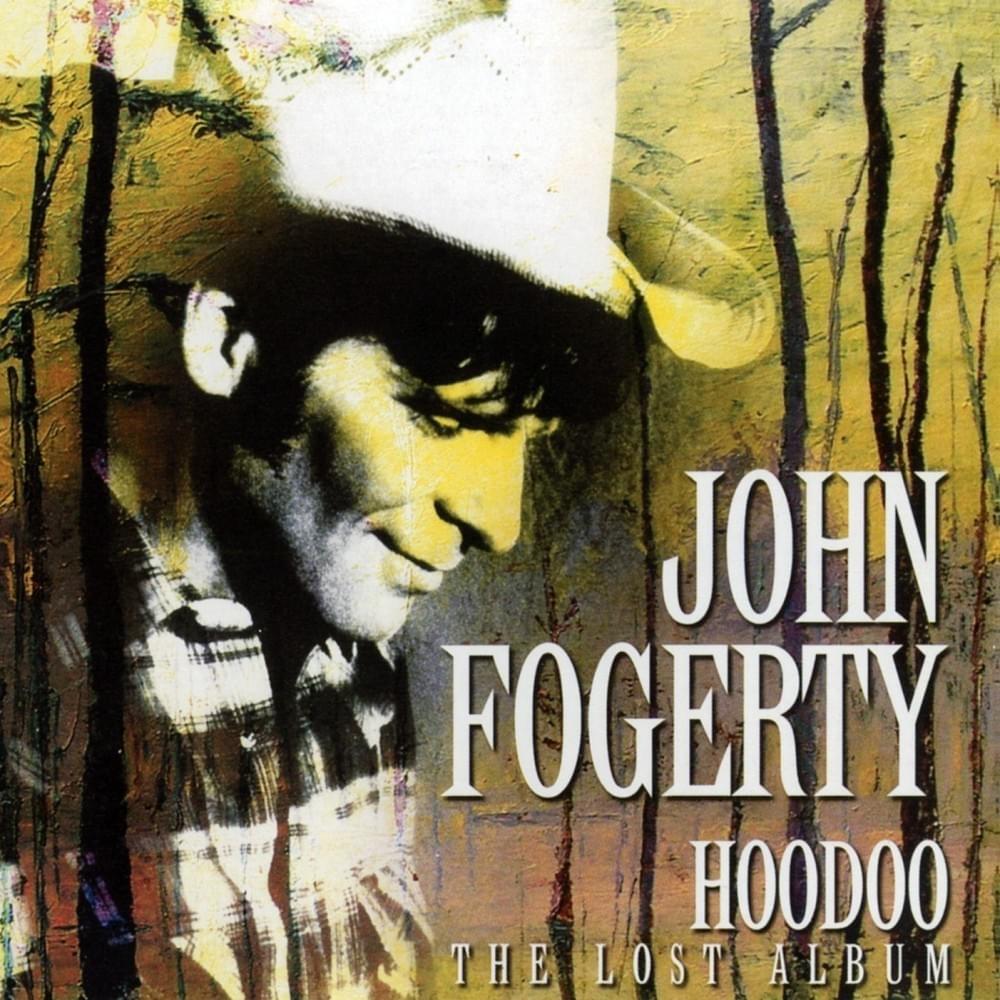
John Fogerty's "Hoodoo Man" isn't just a song; it's a primal scream channeled through the swampy backwoods of the American imagination. The track drips with a menacing energy, painting a picture of a figure lurking just beyond the firelight, a shapeshifting presence that inspires both fear and a strange, magnetic allure. The opening imagery—"a thing creepin' in the woods / Like an ill wind that blows no good"—establishes this sense of impending dread, a feeling amplified by the howling women and children, triggered by the "moon-dog" on the prowl. It's a landscape of instinct and superstition, where the natural world itself seems to conspire against you.
Fogerty doesn't shy away from the inherent ambiguity of the "Hoodoo Man." Is he a malevolent force, preying on the vulnerable? Or is he a guardian, a necessary evil who keeps other, darker things at bay? The lyrics offer no easy answers, instead reveling in the character's paradoxical nature. The chorus, with its boastful claim of holding "the devil by the horns," suggests a figure of immense power, capable of manipulating both the seen and unseen worlds. The repeated "ooh-woo-woo!" isn't just a catchy hook; it's a primal invocation, a call to the wild, untamed parts of ourselves that society often tries to suppress.
Ultimately, "Hoodoo Man" explores the tension between civilization and the wilderness, between reason and instinct. The Hoodoo Man is a figure who embodies this conflict, existing outside the boundaries of societal norms. His ability to "make like a big ugly bear" or "fly like a bird in the air" represents a freedom that is both enviable and terrifying. He's a reminder that beneath the veneer of order, there are still forces at play that we don't fully understand, forces that can both protect and destroy. The song's lasting power lies in its ability to tap into this primal fear and fascination, reminding us that the wild is never truly gone, it just lies dormant, waiting for the right moment to emerge.
 View Artist