Song Meaning
John Fogerty's "Blueboy" throws us headfirst into a backwoods bacchanal, a Saturday night fever dream fueled by moonshine and the primal scream of a guitar. The song isn't a narrative so much as a feeling—a snapshot of pure, unadulterated release. The lyrics paint a scene of rural revelry, a place where folks "come from miles around" to witness "'ol Dooley do the show." But who is the "blueboy"? He's the spirit of the music itself, the electric current running through the crowd as Dooley tears it up. "Let the blueboy play" isn't just a request; it's a mantra, an invocation of the energy that makes the night come alive. It's the permission to let loose, to shed the week's burdens and embrace the raw, untamed joy of the moment.
Fogerty doesn't offer explicit explanations, and that's precisely the point. The power of "Blueboy" lies in its suggestive imagery. The "mule," the "pony," the insistent rhythm—they all contribute to a sense of barely contained chaos. The "blueboy" could even be interpreted as a euphemism for the blues, the music itself that allows the people to forget their struggles and find solace in community. The sheriff's arrival signals the inevitable end of the party, but even that can't fully extinguish the flame. "Ain't nobody feels like goin' home," Fogerty sings, capturing the bittersweet feeling of a night that has to end but whose memory lingers long after the lights come up.
Ultimately, the meaning of “Blueboy,” like the best roots rock, is rooted in a sense of primal, communal experience. It’s a release valve, a celebration of the simple joys of music, dance, and shared abandon. The "lyrics analysis" reveals a yearning for escape, for a place where the rules are suspended and the only obligation is to surrender to the rhythm. It's a reminder that sometimes, the most profound experiences are the ones that defy explanation, that exist solely in the realm of feeling, and that leave you breathless and wanting more.
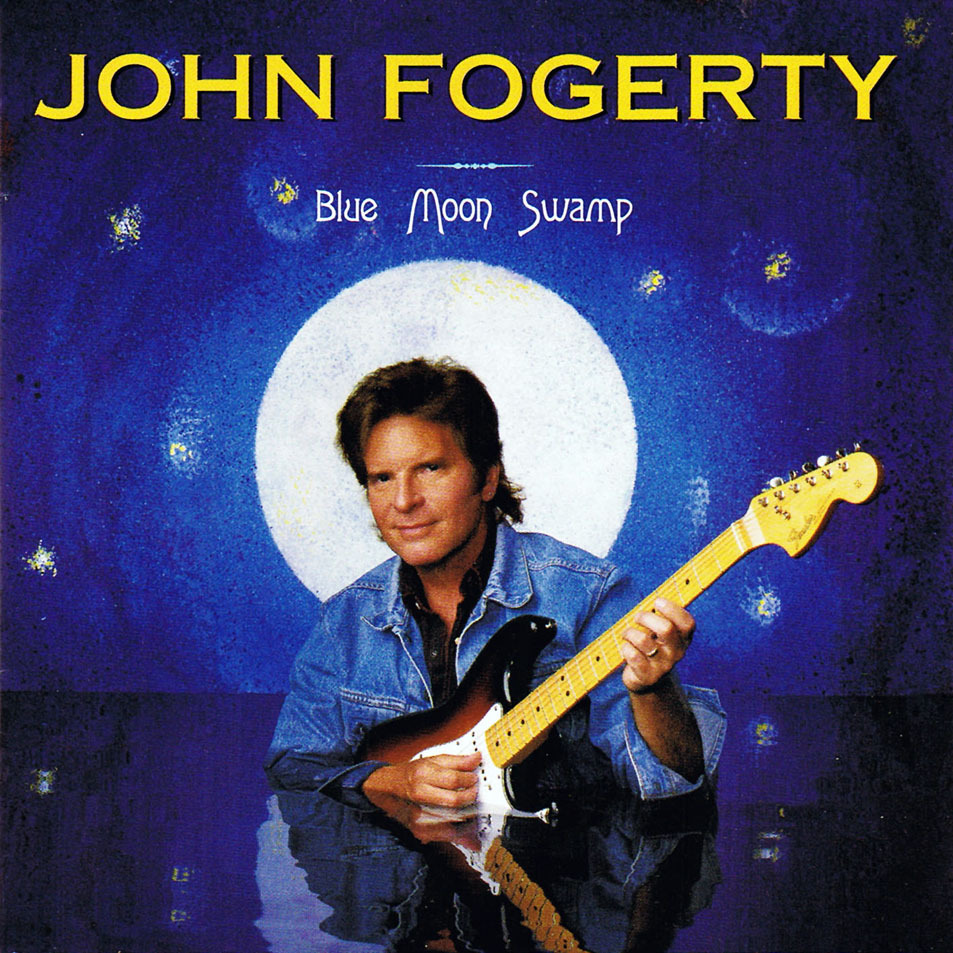
 View Artist