Song Meaning
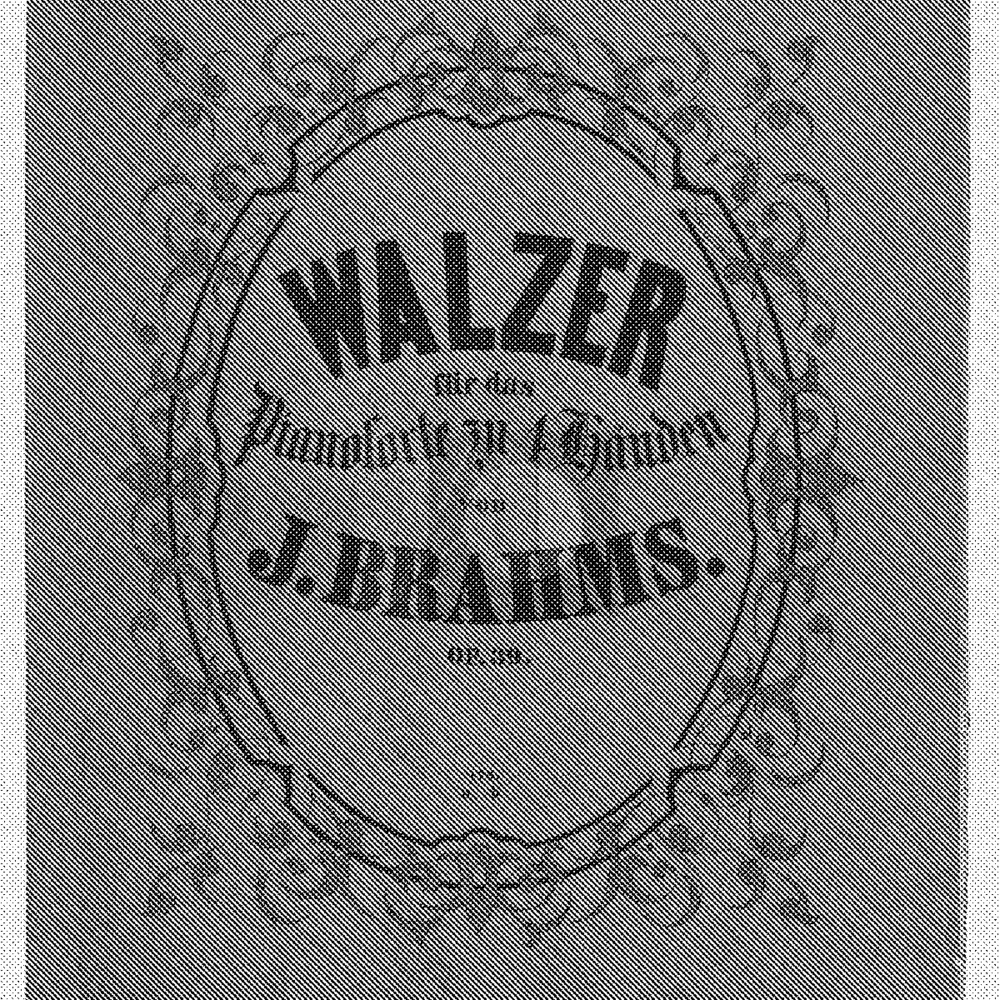
This piece, titled "Waltz in E major (Op. 39, No. 2)", is presented as purely instrumental. The absence of lyrics means the emotional landscape and narrative, if any, must be conveyed entirely through the music itself. It invites the listener to project their own feelings and stories onto the sonic tapestry. The designation "Waltz" suggests a specific dance form, typically characterized by a triple meter and a flowing, often graceful, character. This structural hint provides a framework for interpretation, implying a sense of movement, perhaps social interaction, or a particular mood associated with the waltz tradition. The key of E major is often associated with brightness, joy, and a sense of triumph or pastoral beauty, offering a potential starting point for understanding the piece's affective quality. The opus number and specific title indicate a composed work with a distinct identity, rather than an improvisation or folk tune. The composer's intent, therefore, is to evoke a specific feeling or atmosphere through melodic, harmonic, and rhythmic elements alone. The listener's experience becomes a personal dialogue with the sound, where the absence of words paradoxically opens up a vast space for imagination and emotional resonance. The piece likely aims to create a particular mood, whether it be lighthearted and elegant, or perhaps tinged with a more complex emotion that the waltz form can accommodate.
 View Artist