Johannes Brahms: The OG Romantic Composer Who Still Slaps
Introduction & Current Status
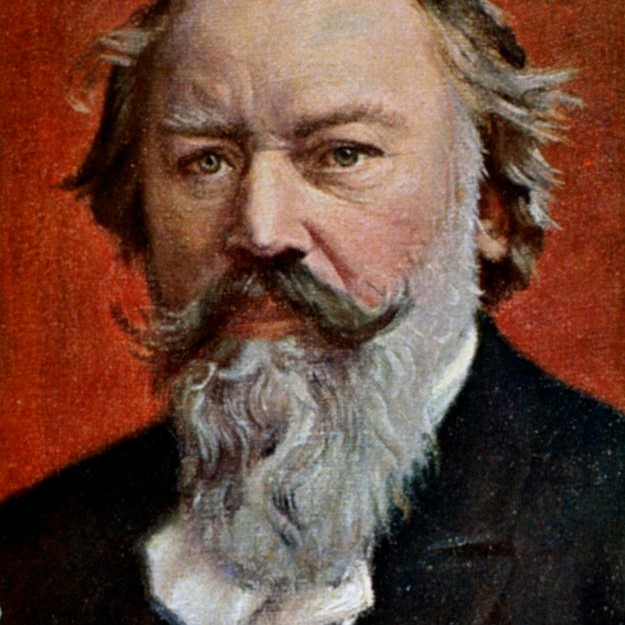
Johannes Brahms isn't exactly topping the Spotify charts these days, but his music? Timeless. This German composer and pianist, a total legend of the Romantic period, still influences everything from film scores to your grandma's classical playlist. His symphonies are certified bangers, and his chamber music? *Chef's kiss*. Basically, Brahms is the OG composer who continues to resonate.
Brahms' work is constantly being reinterpreted and rediscovered. From trending TikTok sounds sampling his melodies to sold-out concert halls worldwide, his compositions prove that genius never fades. We're talking main character energy that's lasted centuries. So, let's dive into the world of Brahms and find out why his music still matters.
He’s the blueprint. The GOAT. The composer’s composer. His influence permeates modern music whether you realize it or not. Time to give the man his flowers.
Early Life & Background
Born in Hamburg, Germany, in 1833, Johannes Brahms came from relatively humble beginnings. His dad was a double bass player, so music was definitely in the family genes. Young Johannes showed mad skills early on, learning piano and composition like it was NBD. This wasn't some privileged prodigy situation. The dude worked hard.
His early musical education was intense, but Brahms also soaked up the vibrant musical scene around him. Imagine young Brahms hitting up local gigs, absorbing everything from folk tunes to the latest concertos. He was a sponge, soaking up all that sonic goodness and turning it into his own unique style.
Growing up in the bustling port city exposed him to a diverse range of musical styles, from traditional folk songs to more sophisticated compositions. All these early experiences shaped his musical sensibilities and laid the foundation for his future greatness.
Career Beginnings
Brahms' early career involved playing piano in some less-than-glamorous settings. Think dive bars not concert halls. But these gigs helped him hone his skills and connect with other musicians. It was during this time he met the composer Robert Schumann, who immediately recognized Brahms' potential and basically became his hype man.
Schumann wrote an article praising the young Brahms, basically launching his career into orbit. It was like the ultimate co-sign. With Schumann's backing, Brahms gained access to a wider audience and started making a name for himself. This was his breakthrough moment, the turning point that set him on the path to becoming a classical music icon.
He also became close to Schumann's wife, Clara, a renowned pianist. Their relationship, both professional and personal, profoundly influenced Brahms' artistic development and provided him with invaluable support during a crucial stage in his career. This support helped cement his early success.
Major Albums & Discography
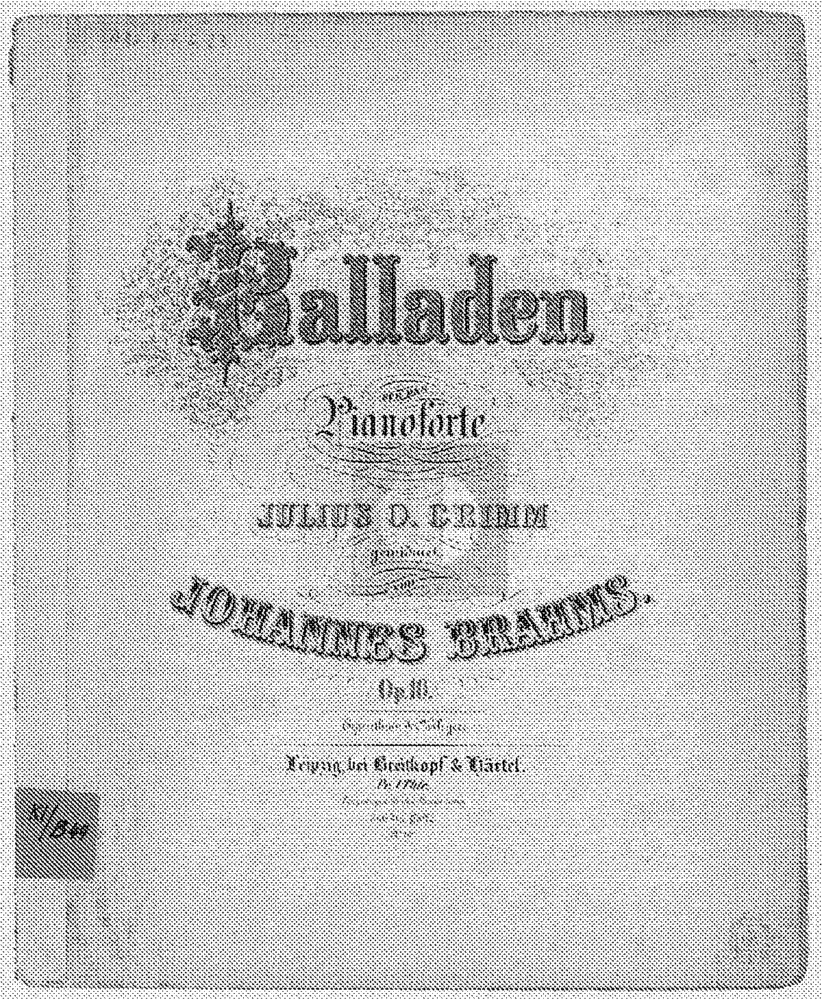
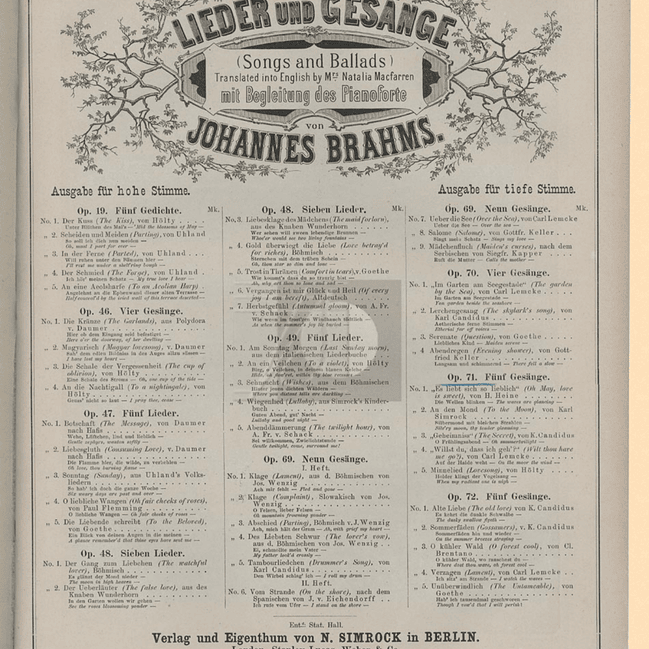
Brahms didn't drop albums like Taylor Swift, but his collections of works are legendary. Ungarische Tänze (Hungarian Dances) showcases his flair for lively melodies and rhythms, instantly recognizable even today. Then there's Ballades, Op. 10, a collection of piano pieces that are straight-up dramatic and emotionally charged.
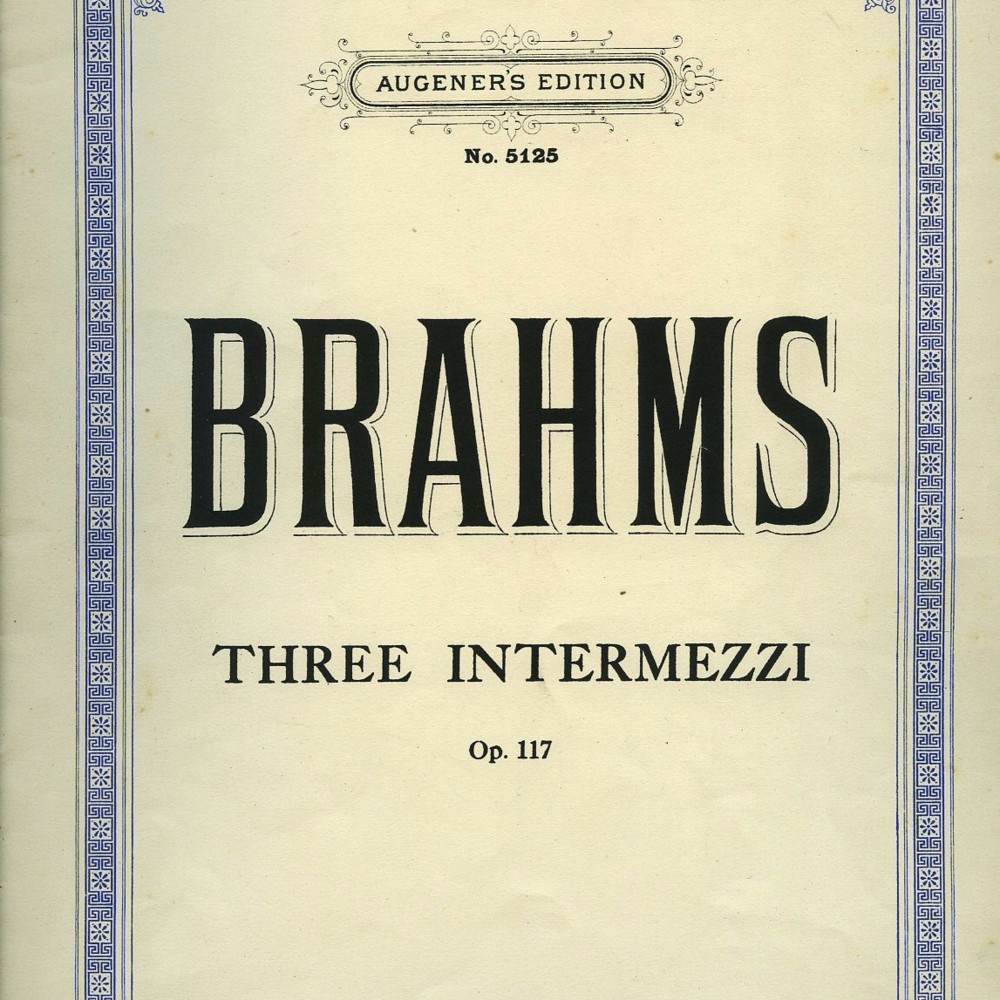
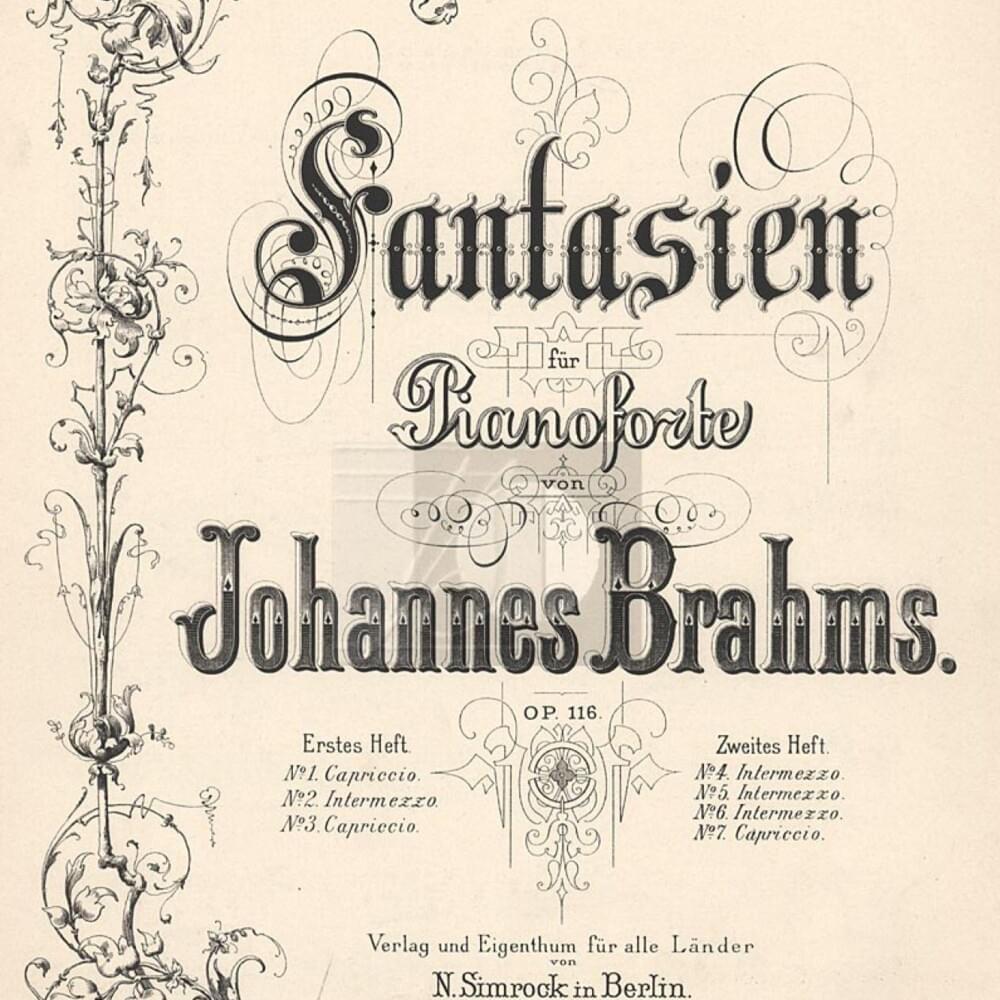
His Drei Intermezzi, Op. 117 offers a more introspective vibe, perfect for late-night contemplation. The Two Rhapsodies, Op. 79 are epic showcases of his compositional skills, packed with intensity and passion. Each album represents a different facet of Brahms' musical genius.
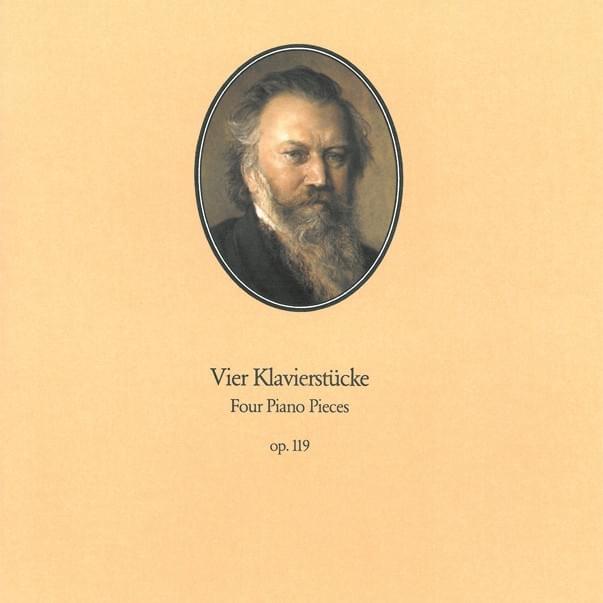
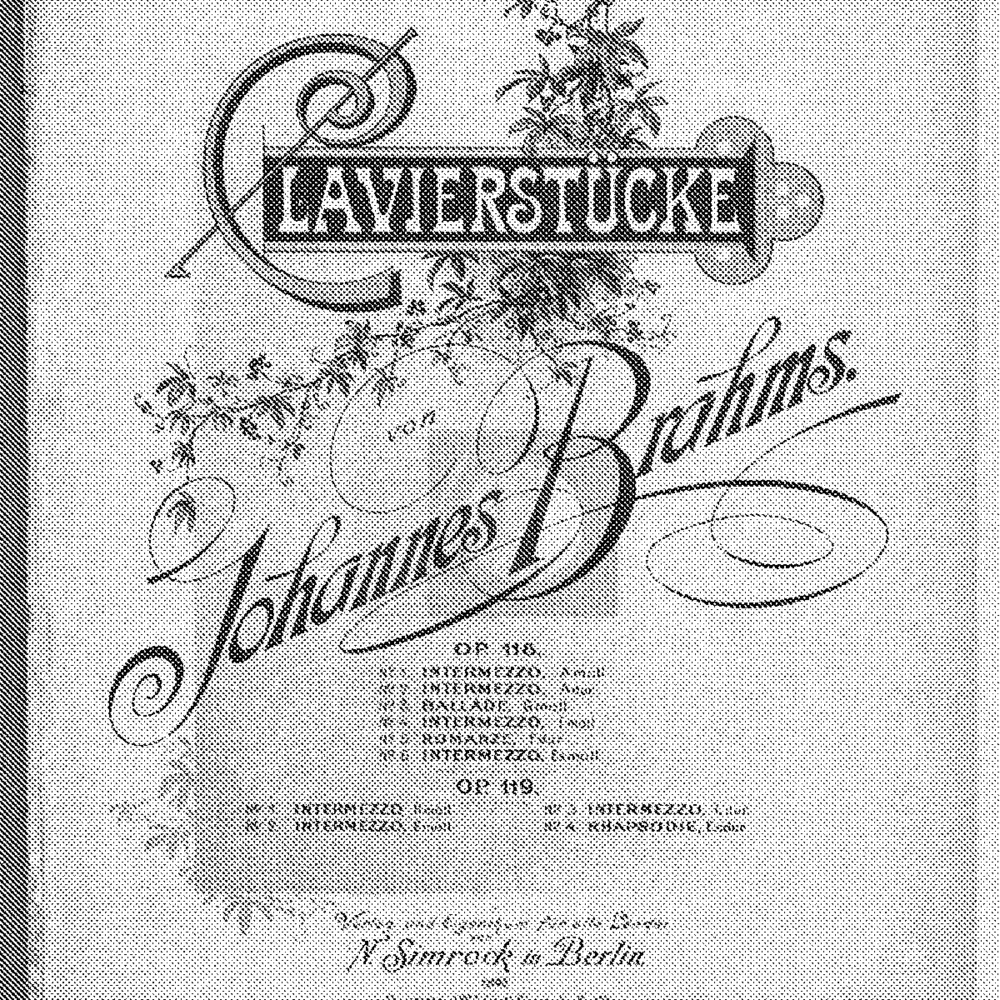
Later in life, Brahms explored more spiritual themes, which can be heard in his Choral Preludes, Op. 122. The album Sechs Klavierstücke, Op. 118 is another set of piano pieces that are both technically demanding and emotionally rewarding. His discography is a journey through the depths of human emotion and musical expression. Don't sleep on Vier Klavierstücke, Op. 119 either!
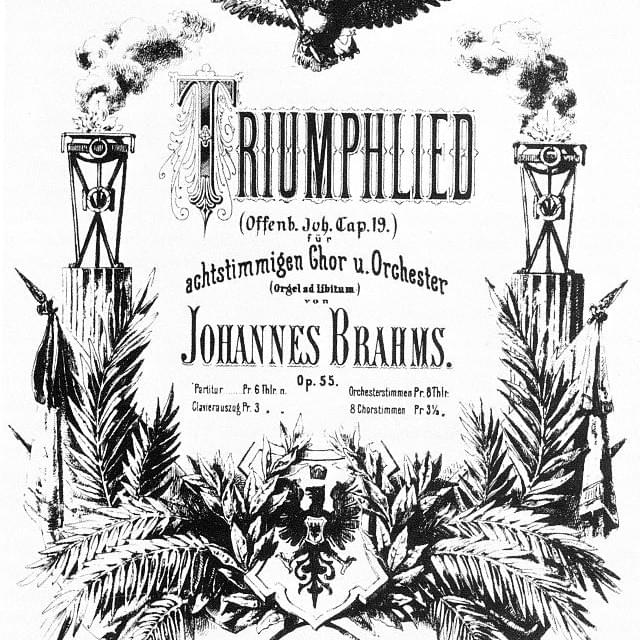
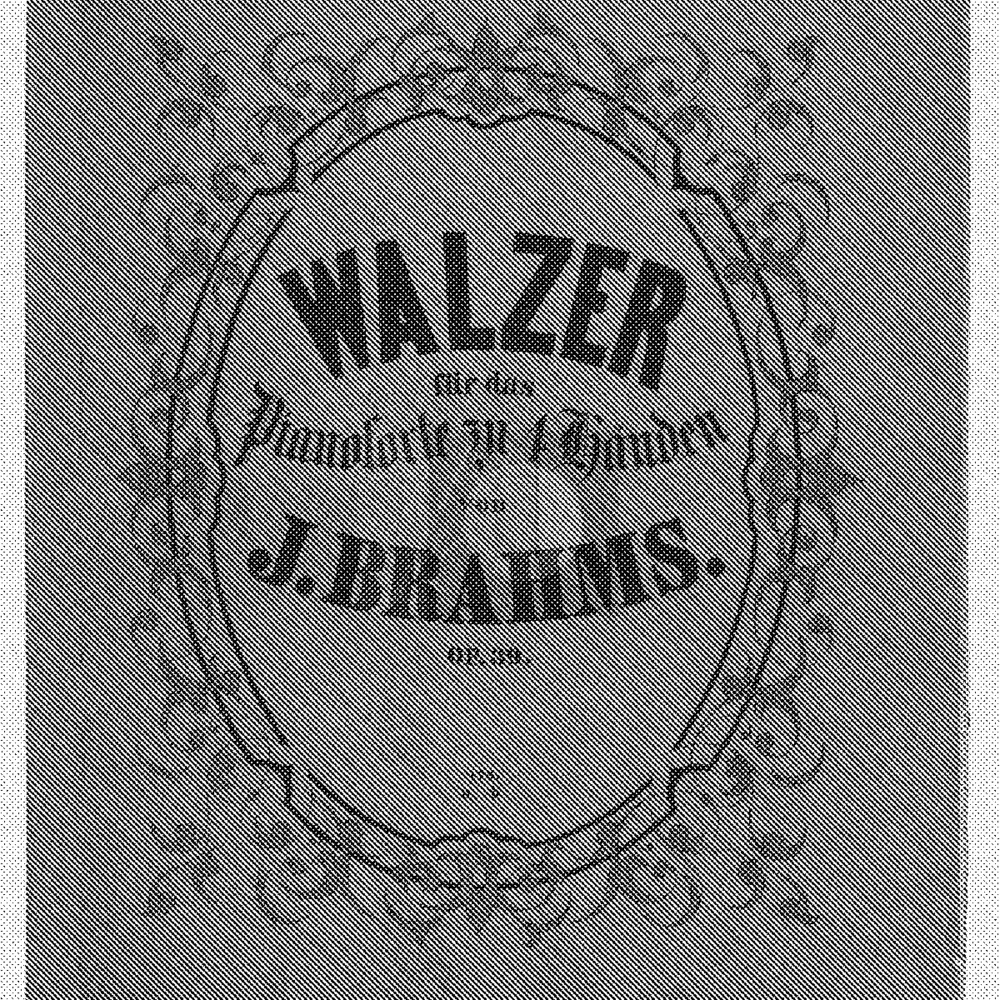
Sixteen Waltzes, Op. 39 is a lighter, more playful side of the composer, perfect for a classy gathering. And if you're feeling patriotic, check out Triumphlied, Op. 55! Don't forget Ophelia-Lieder too. Each album in Brahms' discography offers a unique listening experience, showcasing his versatility and mastery of musical form.
Hit Songs & Signature Tracks
Okay, so Brahms didn't exactly have radio bangers in the modern sense, but his compositions were the hits of their time and remain iconic. Hungarian Dance No.5 In G Minor is a total bop, instantly recognizable and guaranteed to get your foot tapping. It’s been sampled, remixed, and featured in countless movies and TV shows. This track slaps.
Speaking of fire tracks, Hungarian Dance No. 1 In G Minor is another banger from the same collection. These dances are full of energy and passion, reflecting Brahms' fascination with Hungarian folk music. They’re the kind of tunes that make you want to grab a partner and start waltzing. His work stands the test of time.
Then there's Intermezzo in E-flat major (Op. 117, No. 1), a more introspective piece that showcases Brahms' ability to evoke deep emotions through music. It's the kind of track you listen to when you're feeling all the feels. Even his sacred music is noteworthy, such as Halleluja! Heil und Preis.
Other noteworthy tracks include Lobet unsern Gott, alle seine Knechte and Und ich sahe den Himmel aufgetan, und siehe. Don't forget the piano works either, such as Ballade in D minor (Op. 10, No. 1), Ballade in D major (Op. 10, No. 2), Ballade in B minor (Op. 10, No. 3) and Ballade in B major (Op. 10, No. 4). These tracks are the foundation of classical music as we know it.
Collaborations & Features
Brahms wasn't really about that collab life in the modern sense. He lived in a different era. But he did work closely with other musicians, particularly instrumentalists and singers, to bring his compositions to life. Think of it more like a supergroup of classical musicians, all dedicated to creating amazing music together.
His close relationship with Clara Schumann was a collaboration in itself, with Clara performing and promoting his works throughout her career. He also collaborated with the violinist Joseph Joachim, who helped him refine his violin concerto. These partnerships were essential to Brahms' success and helped shape his musical vision.
While not "features" in the modern sense, Brahms often dedicated his works to fellow musicians and incorporated their feedback into his compositions. This collaborative spirit was a key element of the 19th-century classical music scene.
Awards & Achievements
While the Grammys weren't a thing back in Brahms' day, he racked up plenty of accolades during his lifetime. He received honorary doctorates from several universities, a major flex in the academic world. He was also highly respected by his peers, considered one of the leading composers of his time.
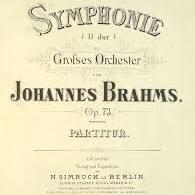
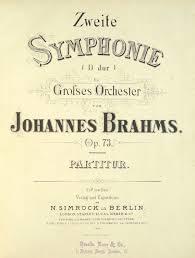
His symphonies and concertos became staples of the classical repertoire, performed by orchestras around the world. His music was published and widely distributed, ensuring its lasting legacy. In terms of cultural impact, Brahms was a total winner. His influence on subsequent generations of composers is undeniable.
His music continues to be celebrated and studied, solidifying his place in the classical music hall of fame. Brahms achieved something truly special: creating music that speaks to the human condition across centuries.
Personal Life
Brahms was a bit of a private dude. He never married, and his personal life was the subject of much speculation. His close relationship with Clara Schumann fueled rumors, but the exact nature of their bond remains a mystery. He was known for his gruff exterior, but those close to him saw a more sensitive side.
He was also known for his generosity, often supporting young musicians and donating to charitable causes. Despite his fame, he lived a relatively simple life, dedicated to his craft. This dedication to his music is what ultimately defined him.
Musical Style & Influence
Brahms is generally classified as a Romantic composer, but his music also draws on elements of the Classical and Baroque periods. He had a deep respect for tradition, but he wasn't afraid to push boundaries and experiment with new sounds. His music is characterized by its rich harmonies, complex textures, and emotional depth.
He was heavily influenced by composers like Beethoven and Bach, but he developed his own unique voice. His influence can be heard in the works of later composers like Schoenberg and Stravinsky. Brahms' legacy extends far beyond the classical music world, inspiring artists across genres and generations.
Brahms' music is known for its blend of passion and intellect, combining emotional intensity with formal structure. He created a timeless body of work that continues to resonate with audiences today. His impact on music history is undeniable, securing his place as one of the all-time greats.
Recent Work & What's Next
Okay, so Brahms isn't exactly dropping new tracks in 2024 (seeing as he passed away in 1897), but his music continues to be performed and reinterpreted by musicians around the world. You can catch his symphonies at your local concert hall or discover new recordings online. Brahms' music is always relevant, always fresh.
His compositions are constantly being featured in films, TV shows, and video games, introducing his music to new audiences. From classical purists to Gen Z TikTokers, Brahms' music continues to find new fans.