Song Meaning
Johanna Kurkela's "Palvo Minua" isn't merely a song; it's a psychological manifesto disguised as a plea for affection. The lyrics, delivered in Finnish, cut straight to the heart of a universal feminine desire: to be adored, to transcend the mundane experience of being taken for granted. It's a raw, unapologetic demand for validation, articulating a need often relegated to the realm of unspoken expectations. Kurkela doesn't mince words; she explicitly outlines the kind of praise she craves – not just any compliment, but hyperbolic pronouncements of beauty, uniqueness, and irresistible allure. The core of the song meaning lies in its central thesis: that such "worship" isn't mere vanity, but a vital source of empowerment. "Palvo minua vähän / Sillä palvottuna pystyn / Melkein mihin vaan" – this isn't about ego; it's about the transformative power of belief, the way external validation can unlock inner potential. It suggests that a woman who feels truly seen and appreciated is capable of extraordinary feats.
There's a fascinating power dynamic at play in "Palvo Minua." It's not a passive request, but an active command. She dictates the terms of her own adoration, directing her partner (or potential partner) on exactly how to express their admiration. This flips the script on traditional romantic tropes, where women are often portrayed as demure recipients of male attention. Here, Kurkela's persona seizes control, demanding to be seen as a queen, a goddess, a being worthy of reverence. The lyrics delve into the fear of becoming "itsestäänselvyys" – a given, an afterthought. This fear resonates deeply, tapping into the anxieties of anyone who has felt their worth diminished within a relationship. The repetition of the chorus reinforces the cyclical nature of this need; it's not a one-time fix, but an ongoing requirement for maintaining a sense of self-worth and agency.
Ultimately, Johanna Kurkela's "Palvo Minua" is a sophisticated exploration of desire, power, and the psychology of self-esteem. It's a song that dares to articulate the often-hidden needs that underpin romantic relationships, reminding us that validation isn't a luxury, but a fundamental human requirement. The song isn't just about being told you're beautiful; it's about the profound impact that genuine appreciation can have on a person's ability to thrive. It highlights how a woman's perceived "vanity" is more than meets the eye, as what may seem like a superficial request is really a deep-seated need to be truly seen, appreciated, and empowered. This lyrical analysis reveals a complex and captivating song that resonates with anyone who has ever yearned for genuine recognition and adoration.
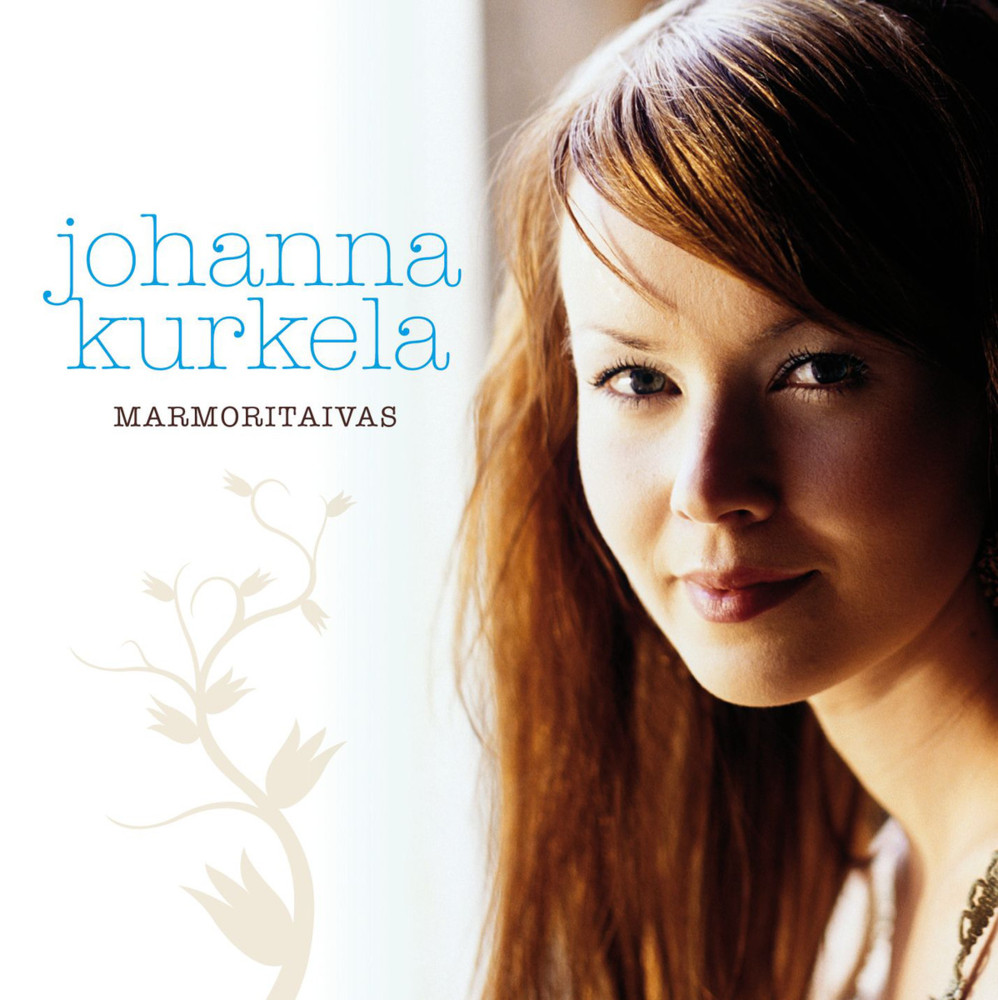
 View Artist