Song Meaning
Johanna Kurkela's "Muuttolinnut" isn't just a song; it's a stark, melancholic portrait of transient love set against the backdrop of a Finnish winter. The central metaphor, migratory birds, immediately establishes a theme of impermanence. These birds, unlike the steadfast 'metsätiainen' (Eurasian blue tit) who stays behind, represent a lover unwilling or unable to weather the harsh realities of commitment. The lyrics paint a picture of a man who promises 'herraskartano' (a grand manor), a life of comfort and stability, but ultimately mirrors the birds, fleeing south before the snow falls and the relationship demands true resilience. The 'kesäpeipponen' (summer chaffinch) is a particularly poignant image, suggesting a lover who thrives only in warmth and light, unable to adapt to the emotional cold of a long-term bond.
The repeated refrain, 'Ei ne pesää tee / Tuulenpitävää / Ennen lumen tuloa ne täältä häviää' ('They don't build nests / Windproof / Before the snow comes, they disappear from here'), underscores the song's core message. This isn't simply about physical departure; it speaks to an emotional unavailability, a refusal to invest in the hard work required to create a lasting connection. The 'mieli levoton' ('restless mind') of the man further emphasizes this internal conflict. He is, at his core, a wanderer, incapable of being tied down, forever chasing a horizon that promises more than the present can offer. The imagery of 'oksat huurteeseen' (branches covered in frost) and 'järven jäätyneen' (frozen lake) reinforces the sense of emotional desolation left in the wake of his departure.
Ultimately, "Muuttolinnut" offers a bittersweet acceptance of this transient nature. The final verse, hinting at a new companion who will allow the listener to forget the 'menneen kesän taivasmaalarin' (past summer sky-painter), suggests a path forward. It's a recognition that some loves are seasonal, beautiful in their fleeting existence, but ultimately destined to fade with the changing seasons. The song's power lies in its ability to evoke the specific ache of knowing that someone you cared for deeply was simply not built to stay, leaving you to pick up the pieces as winter sets in.
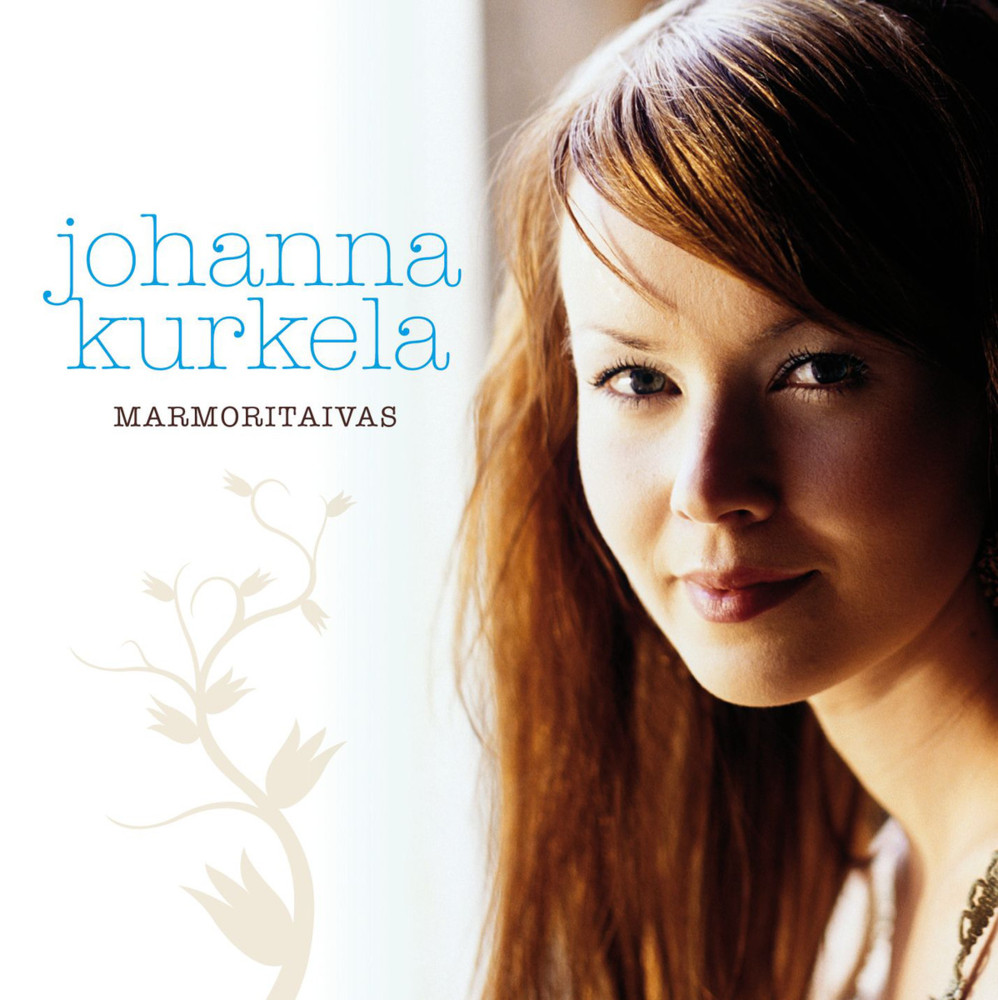
 View Artist