Song Meaning
The lyrics paint a picture of someone grappling with a past relationship, marked by a bittersweet longing and a forced independence. The opening lines set a scene of quiet solitude, where the narrator projects their own anxieties onto a memory of a partner's concern, "You'd nag, don't catch a cold." This imagined solicitude contrasts sharply with the present reality of solo experiences, like attending a show alone or traveling, where the narrator pays their own way, suggesting a self-reliance born from absence. The mention of a shared appreciation for Van Gogh and a specific detail about tulips hints at a deeper, intimate connection now lost, making the present loneliness more poignant.
The central tension lies in the inability to move on from a relationship that, in retrospect, might have been unsustainable or even empty. The narrator questions who to blame for the lack of shared permanence and expresses doubt about the idea of eternal love, noting the fleeting nature of a "three days and two nights" romance. The recurring image of fireworks, described as "heartless," refusing to commemorate a love that wasn't meant to be, underscores the futility of clinging to the past. This self-deception is further highlighted by the phrase "Why pretend I'm still fighting for that past?"
A striking element of the craft is the recurring motif of the windmill, which appears to represent a state of disorientation and aimless wandering. The narrator admits to "wanting to share photos" and seeking validation, but ultimately finds themselves alone, listening to their own "concert." The image of the windmill spinning until lost suggests a feeling of being adrift, unable to find direction or purpose without the other person. Even the "tulips" that once smelled fragrant for the partner now only serve to deepen the narrator's own "melancholy."
Ultimately, the effectiveness of these lyrics stems from their raw portrayal of post-breakup introspection. The narrator grapples with the desire for connection versus the reality of isolation, questioning the value of past affections and the possibility of future happiness. The final lines, where even the windmills have stopped turning and the lake water has frozen into snow, evoke a profound sense of stillness and emotional coldness, leaving the listener with a powerful sense of unresolved grief and lingering emptiness.
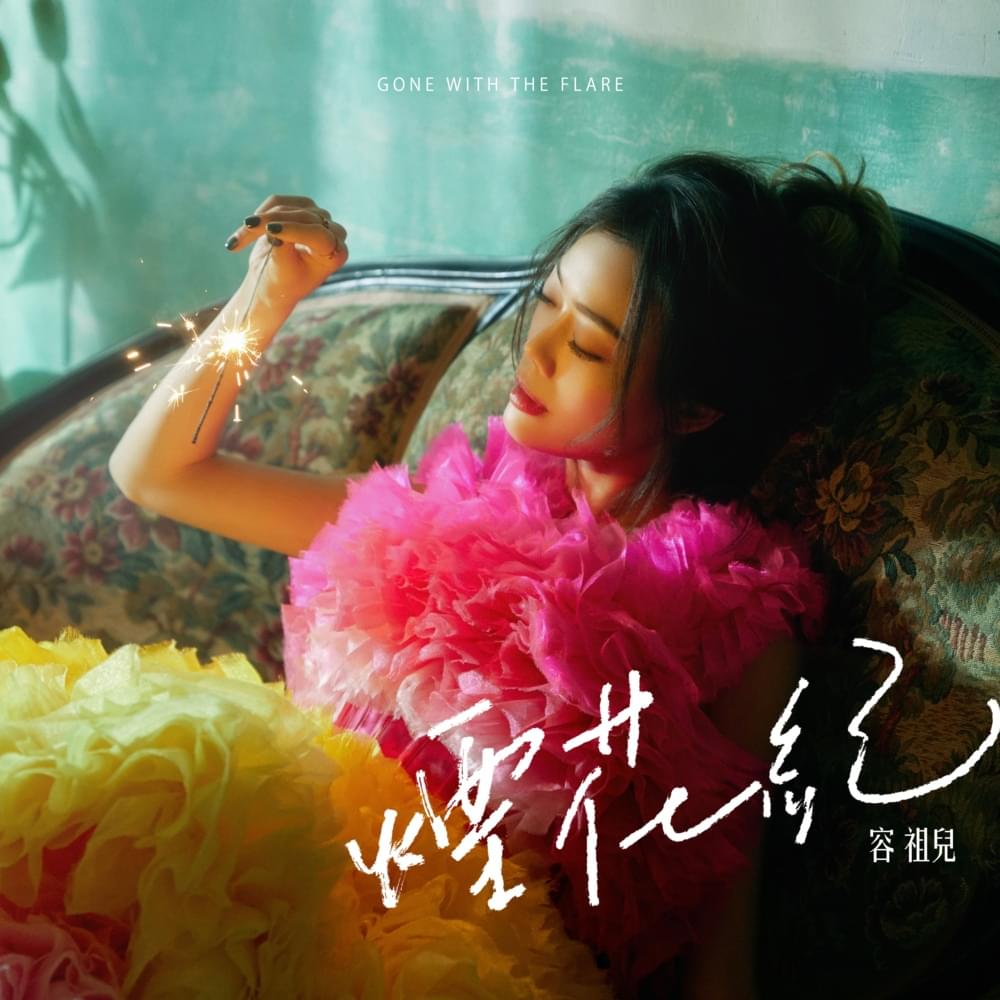
 View Artist