Song Meaning
The lyrics paint a picture of a life lived, contrasting grand external experiences with the profound value of genuine connection and quiet contentment. Early on, the narrator dismisses "壯闊場景 激情盡吐" (grand scenes, passion fully expressed) and "畫面多感動也好" (no matter how moving the visuals) in favor of "比不起真正擁抱" (can't compare to a real embrace). This sets up a core tension: the allure of outward achievement versus the deep satisfaction of intimate relationships and a simpler path. The idea that "行程平淡或更好" (a plain itinerary might be better) suggests a re-evaluation of what truly constitutes a fulfilling life.
The central conflict emerges as the narrator grapples with the passage of time and the desire for a meaningful existence. "年華平平流逝了怎算滿足過" (how can one be satisfied if years just pass by blandly?) highlights this anxiety. The lyrics propose a solution: a deliberate redirection of energy and focus. The chorus offers a powerful vision of "慷慨下半生光彩" (generously spending the rest of one's life with brilliance) not through external accolades, but by dedicating time to "一生最愛" (the one you love most). This is a conscious choice to cultivate happiness in a "細小精緻的舞台" (small, exquisite stage), finding fulfillment in nurturing love and inner peace.
One of the most striking craft elements is the recurring imagery of nature and personal transformation, particularly in the chorus. "讓野菊放肆地盛開" (let wild chrysanthemums bloom freely) and the idea of being "被幸福好好的灌栽" (well-watered by happiness) create a sense of organic growth and natural beauty. The contrast between "鉛華可以洗退" (cosmetics can be washed away) and "氣質不改" (temperament remains unchanged) emphasizes the enduring nature of true character over superficial appearances. This is further illustrated by the metaphor "淡妝 白紙中可繪上花海" (light makeup, a sea of flowers can be painted on white paper), suggesting that inner beauty and love can create vibrant worlds even from simple beginnings.
Ultimately, these lyrics resonate because they offer a grounded, achievable vision of happiness. The emphasis shifts from chasing external validation to cultivating internal richness and prioritizing deep connection. The repeated call to "勇敢" (be brave) and embrace "率性" (spontaneity) within a framework of "柔情和蜜意" (tenderness and sweet affection) suggests that true strength lies in vulnerability and authentic love. The final lines, "能率性 是猶幸尋獲了這生最愛" (being spontaneous is fortunate to have found life's greatest love), powerfully tie this self-discovery and brave expression back to the core value of finding and cherishing a beloved.
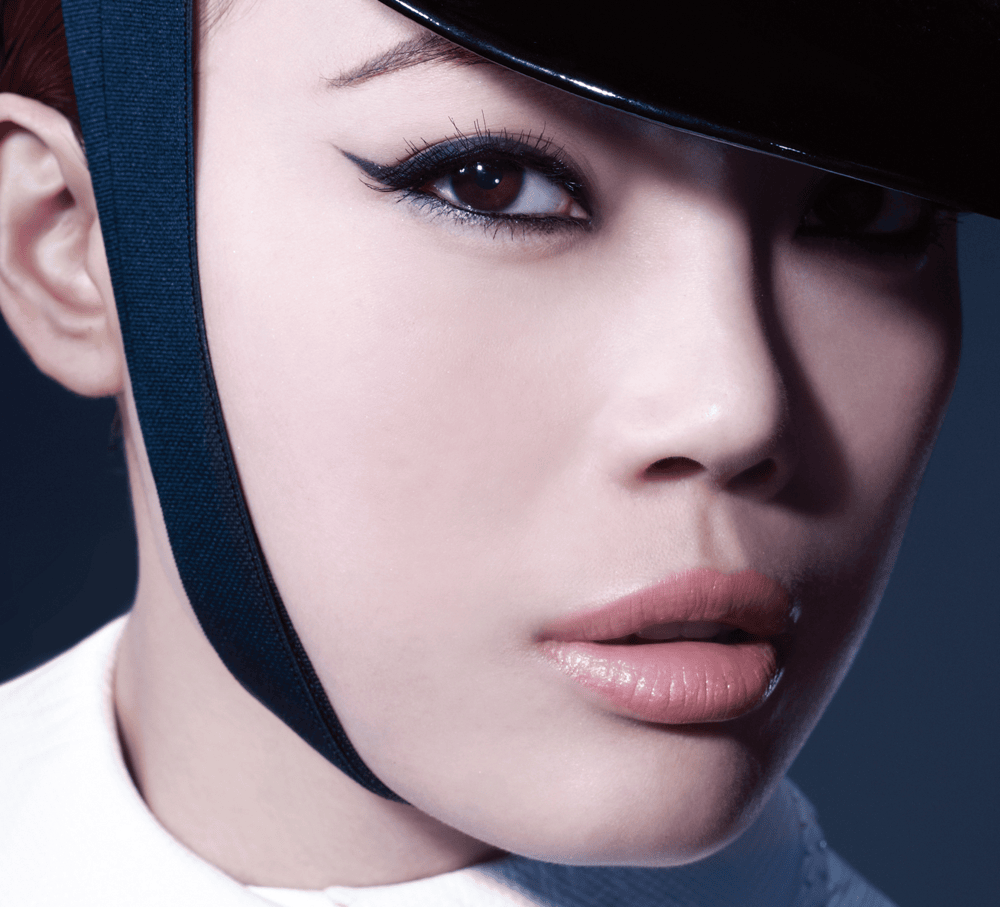
 View Artist