Song Meaning
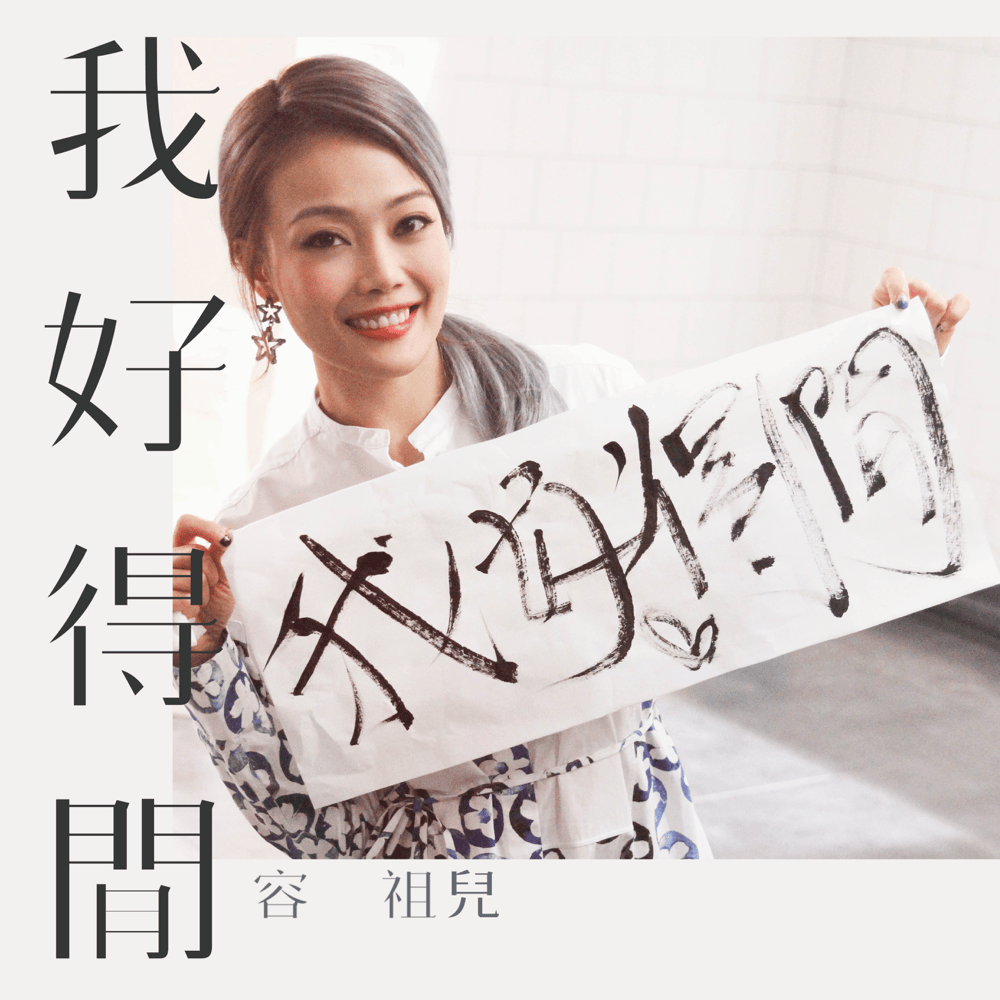
The lyrics paint a picture of a person relentlessly pursuing success, cramming their schedule with meetings, interviews, doctoral studies, language classes, and even martial arts and calligraphy practice. This narrator is a "搏殺的戰士" (fierce warrior), operating "全年營業 不休假一次" (year-round, not taking a single day off). The sheer intensity of their self-imposed busyness creates a stark contrast with the plea from someone else: "你偏卻跟我講 可有空 可有空" (You keep asking me if I have time). This highlights a central tension between the narrator's all-consuming ambition and a yearning for connection.
The emotional core of the song lies in this conflict. The narrator's packed life, described as "迫不透風" (no room to breathe), is juxtaposed with the fear of a romantic interest losing interest due to a lack of availability. The lyrics emphasize the urgency of romantic pursuit: "喜歡那個 終於告白 切忌答得慢" (The one you like, finally confessed, don't reply too slow) and "遲遲回情人 會心淡" (A lover who replies late will grow cold). The narrator realizes that their relentless drive might be costing them a relationship, as scheduling a date requires planning "明年才排期" (booking for next year), implying it will be too late when the season changes ("會轉冷").
The most striking element is the shift in the post-chorus, where the narrator's frantic pace abruptly halts. The repeated phrase "我今晚聽晚 呢晚嗰晚 邊晚都得閒" (I'm free tonight, tomorrow night, any night) becomes a desperate declaration. The narrator is willing to "隨時能談情 與偷懶" (anytime for romance and laziness), even offering to "撕爛" (tear up) all their existing appointments for the person they care about. This direct contrast between the earlier self-description and the newfound willingness to prioritize love is incredibly effective, showing a potential breaking point in their ambition.
Ultimately, these lyrics resonate because they capture a common modern dilemma: the pressure to constantly achieve versus the fundamental human need for intimacy. The narrator's journey from a "戰士" (warrior) to someone willing to abandon their meticulously built schedule for a chance at love is compelling. The writing effectively uses the extreme busyness as a metaphor for emotional unavailability, making the final plea for time feel both urgent and deeply personal, driven by the fear of "會心淡" (growing cold) and "會轉冷" (turning cold).
 View Artist