Song Meaning
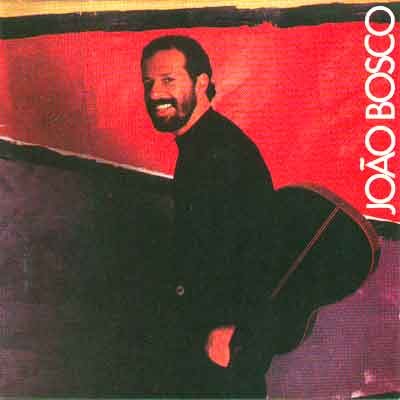
The lyrics introduce a persona, João Balaio, who immediately establishes a defiant resilience. The opening lines, "Sou João Balaio / Se eu tropico, eu não caio," paint a picture of someone who, even when stumbling, refuses to fall. This isn't just about physical balance; it suggests an inner strength that prevents complete collapse.
The core of this brief statement lies in a powerful assertion of self-determination and a rejection of external judgment or concern. The phrase "E se eu cio / Eu não quero nem saber..." amplifies this sentiment, indicating a profound indifference to consequences or the opinions of others regarding their actions or state of being. It’s a declaration of radical autonomy.
What makes these lines so potent is their stark simplicity and the implied backstory of overcoming adversity. The repetition of "eu não" (I don't) emphasizes the personal agency being claimed. The narrator isn't asking for help or validation; they are stating a fundamental truth about their own nature and their approach to life's inevitable challenges.
This lyrical fragment resonates because it taps into a universal desire for control and self-possession. The defiant tone, coupled with the image of someone who simply won't be defeated, creates an immediate and compelling portrait of an unyielding spirit. It’s a concise, powerful statement of personal fortitude.
 View Artist