Song Meaning
This track feels like a vibrant invocation, a call-and-response echoing through generations of Brazilian music. The repeated phrases like "Cacurucai eu to" and "Perengando to" establish a rhythmic foundation, suggesting a state of movement or being in motion. It’s less a narrative and more a sonic tapestry woven with names and sounds that resonate with deep cultural roots.
The core of the piece seems to be an act of remembrance and connection. The direct address to figures like "Ô Donga Sinhô," "Ô João da Bahiana!," and "Ô Clementina!" grounds the abstract sounds in specific musical lineages. These aren't just random names; they represent pillars of samba, jongo, and choro, creating a sense of lineage and shared heritage.
The juxtaposition of traditional Brazilian musical terms like "jongo" and "choro" with names of iconic artists, and even a nod to "ária de Bach," highlights a broad musical spectrum. This suggests an expansive appreciation for musical expression, from the deeply rooted to the classical, all brought together in this sonic invocation. The repetition of "zimba cubacubá" acts as a powerful, almost shamanic chant, unifying the diverse references.
Ultimately, the lyrics function as a powerful tribute, a sonic handshake across time. The effect is one of immersion, drawing the listener into a rich, interconnected world of musical history and spirit. It’s a celebration of the voices and rhythms that have shaped a culture, presented not as a lecture, but as an energetic, living pulse.
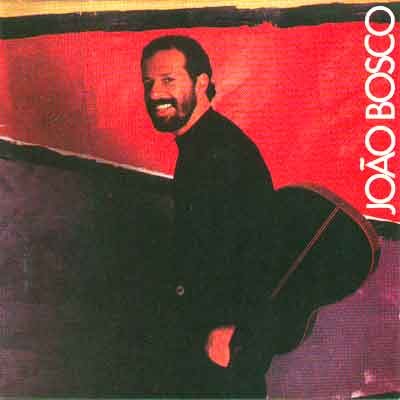
 View Artist