Song Meaning
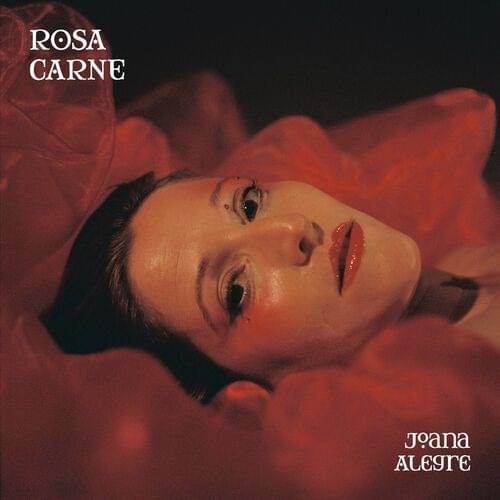
The lyrics paint a vivid picture of intense, almost primal desire, centered around a yearning to merge with another. The opening questions about the color of a flower set a tone of wonder, quickly shifting to a desire to "be rose flesh," a potent image of wanting to embody something beautiful and perhaps even edible. This desire for transformation and union is palpable, driven by a need for a love that is both consuming and exclusive.
The core tension lies in this pursuit of absolute possession and eternal connection. The repeated phrase "Só para mim" (Only for me) underscores a possessive, all-encompassing longing, while the desire to be "Feito de ti" (Made of you) suggests a wish for complete dissolution into the beloved. This creates a push-and-pull between selfhood and absorption, a desire to be both distinct and utterly one.
The craft here is in the sensory language and the juxtaposition of elements. "Fogo e jasmim" (Fire and jasmine) is a striking contrast, blending passionate intensity with delicate sweetness, mirroring the complex nature of this consuming affection. The imagery of "veias do chão" (veins of the earth) pulsing underfoot connects the personal yearning to a larger, almost cosmic, natural force, suggesting this desire is as fundamental as the earth itself.
Ultimately, the lyrics resonate because they capture the overwhelming, sometimes irrational, force of passionate love. The narrator acknowledges that "Nem sempre é boa ideia / O que me chama" (It's not always a good idea / What calls me), yet succumbs to it, especially under the "lua cheia no meu peito" (full moon in my chest). This surrender to an irresistible, almost fated, attraction is what makes the plea for exclusive devotion so compelling.
 View Artist