Song Meaning
The lyrics open with a vivid, almost tactile description of hair that shifts its texture and scent, moving from 'bravo' and 'liso' to 'manso' and 'ondulado,' 'perfumado ou salgado.' This isn't just about a hairstyle; it’s a declaration that even physical attributes possess a mutable nature, a 'vida própria.' The narrator asserts that the 'feitio é condição,' suggesting that appearance is tied to an internal state or a response to external influence, much like the changing colors of a chameleon.
The central tension arises from the desire to embody the chameleon's adaptability. The narrator wishes to 'ser só dona de mim' and 'condizer com o coração,' directly contrasting the external shifts with an internal alignment. This isn't about superficial change but about achieving a state where outward expression authentically reflects inner feelings, like being 'feliz cor de carmim.' The wish to 'viver a vida em sim' is balanced by the crucial ability to 'saber dizer que não,' highlighting a need for self-determination amidst fluidity.
The recurring image of the chameleon is the core of the song's craft. It serves as a potent metaphor for self-mastery and authentic expression. The narrator's eyes are also described with shifting qualities – 'de vento,' 'rasgados pelo mar,' 'castanhos esverdeados,' 'cor de mel cheios de sol' – reinforcing the theme of multifaceted identity. The aspiration to be 'ferida que sarou' and to exist 'sem vergonha ou pudor' points to a journey of healing and self-acceptance, where past experiences inform but do not dictate the present self.
Ultimately, the lyrics resonate because they articulate a powerful yearning for self-ownership and emotional congruence. The chameleon becomes a symbol not of fickleness, but of the strength found in embracing one's own complex, adaptable nature. The song suggests that true freedom lies in aligning one's external presentation with an authentic inner self, a state of being that is both fluid and grounded in personal choice.
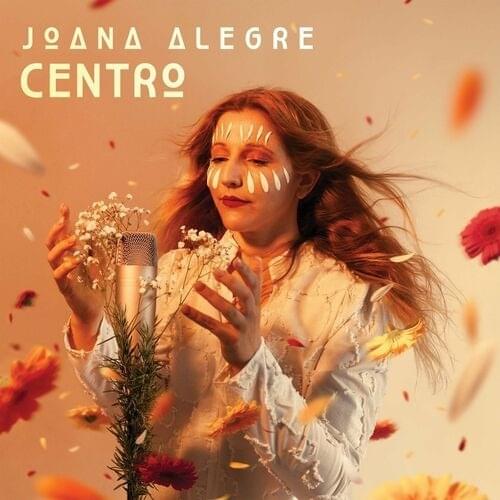
 View Artist