Song Meaning
The lyrics paint a vivid picture of a cherished childhood, filled with natural imagery and imaginative play. The narrator recalls "mimosas and amoras," "papoilas and achigãs," and running through fields of "sobreiros and raposas," establishing a sensory-rich, almost idyllic past. This early freedom is embodied by the playful self-description, "Era Maria Rapaz," suggesting a spirited, perhaps tomboyish youth.
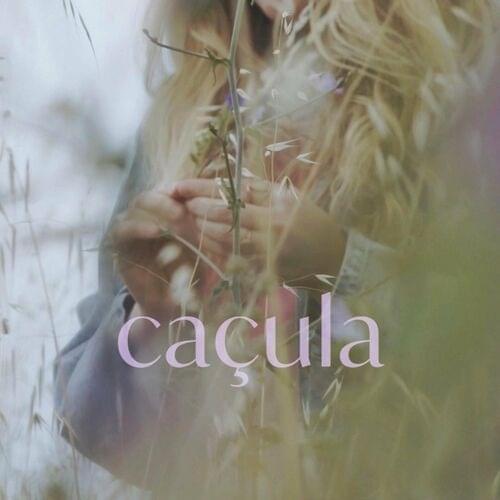
The core of the song lies in the recurring declaration, "Fui caçula, Criança inspirada, Nessa Infância Eterna e sagrada." This refrain anchors the narrative, framing the childhood experiences as formative and deeply significant. The narrator emphasizes a life of imagination, "Perdia-me nas horas," building "cabanas" and living "de imaginar Outros Mundos de encantar," highlighting a profound inner world that sustained them.
A shift occurs as the narrator transitions to adulthood, marked by the phrase "Sou caçula de alma desgarrada." This adult self is characterized by intensity and volatility: "Tudo ou nada," "Aluada, às vezes revoltada." Yet, even amidst this emotional turbulence, a thread of continuity persists, as they "não perco o meu fio à meada," suggesting an enduring connection to their past or inner self. The line "Livrei-me de ser rapaz" hints at a complex navigation of identity and societal expectations.
The lyrics effectively capture the enduring spirit of that inspired child within the adult. The contrast between the innocent, imaginative past and the more complex, passionate present creates a compelling emotional arc. The narrator's ability to recall and integrate these formative experiences, even the more turbulent adult emotions, underscores the lasting impact of that "eternal and sacred" childhood, suggesting a deep wellspring of creativity and resilience.
 View Artist