Song Meaning
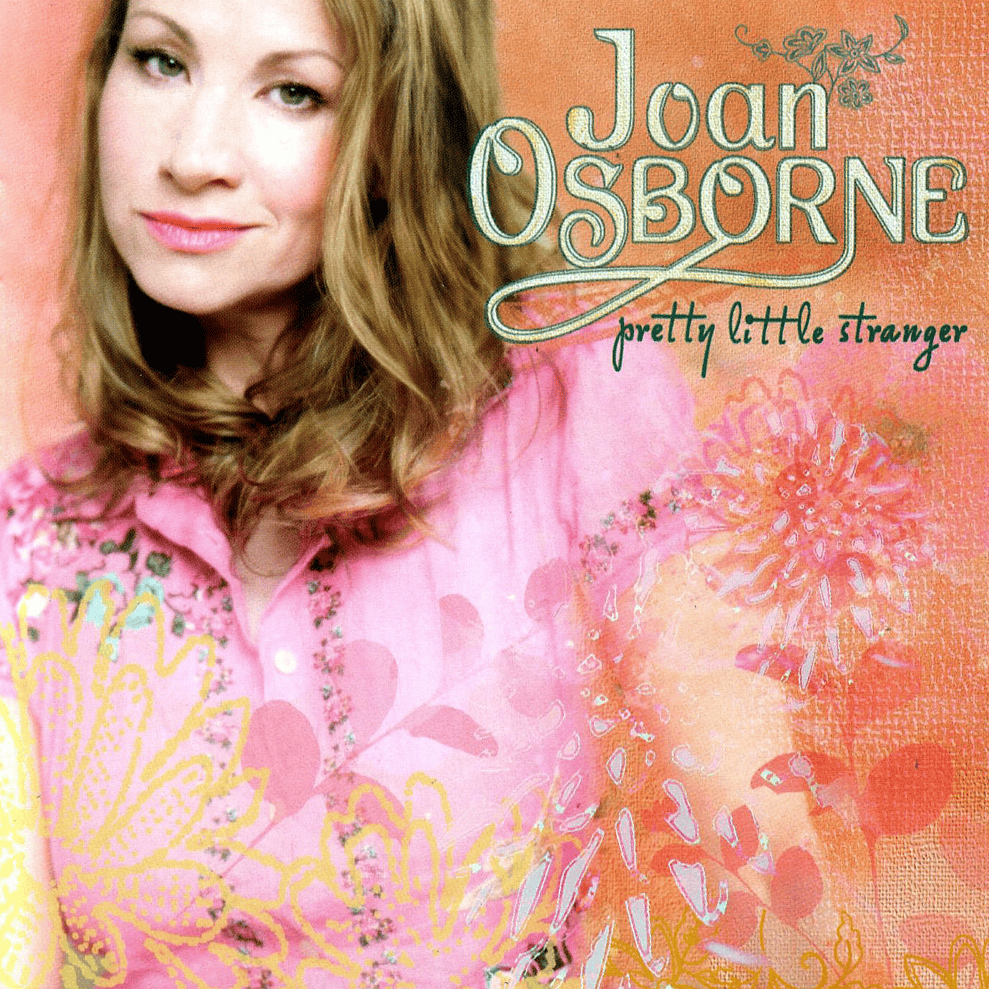
Joan Osborne's "Dead Roses" is not a simple lament, but a complex exploration of attachment and the bittersweet beauty found in faded love. The song meaning resides in the tension between recognizing the end of a relationship and the persistent longing for what once was. Osborne doesn't shy away from the pain of unrequited affection; instead, she delves into the psychology of why we cling to remnants of connections that no longer serve us. The opening lines immediately establish this contrast, juxtaposing the ecstatic heights of past love with the present reality of emotional detachment. The repeated acknowledgment that a kiss "doesn't move you" underscores the painful awareness of a love that has withered.
The core metaphor of "dead roses" encapsulates this central theme. While logically, dead roses should be discarded, Osborne insists on their continued beauty. This isn't naivete, but rather a deliberate choice to find value in the memories and emotions associated with the relationship, even in its decayed state. The lyrics evoke a sense of quiet desperation, a refusal to let go despite the clear signs of decay: "Dead letters with words that are no longer true / Dead silence where your promise used to be." These images paint a vivid picture of a relationship haunted by the ghosts of promises and affections past. The "dead silence" is particularly powerful, highlighting the void that has replaced the once-vibrant connection.
The singer's stubborn persistence is further emphasized in the verse about the jukebox. This scene illustrates the isolating nature of holding onto the past. While friends urge her to move on, she finds solace in the familiar pain of the songs, allowing them to "ring the tears from me." This act is not necessarily healthy, but it's undeniably human. It speaks to the universal struggle of letting go, the way we sometimes choose familiar pain over the uncertainty of a future without the object of our affection. Ultimately, "Dead Roses" is a poignant meditation on the complexities of love, loss, and the enduring power of memory. It acknowledges the often irrational, yet deeply felt, reasons why we hold onto the beauty of what once was, even when it's time to let go.
 View Artist