Song Meaning
Joan Osborne's "After Jane" isn't just a song; it's an emotional autopsy conducted in the raw aftermath of a profound connection. The repeated phrase "After Jane" acts as a stark demarcation, a psychic wound from which the narrator struggles to recover. It's a portrait of grief painted with minimalist strokes, where the absence of Jane permeates every line, stifling laughter, moans, and even the solace of solitude. The simplicity of "I was hers, she was mine" speaks volumes, hinting at a bond so complete that its dissolution leaves the narrator utterly adrift. The rawness suggests more than friendship; it whispers of a love affair, perhaps one now fractured beyond repair.
The core of the song's meaning lies in the agonizing uncertainty that festers in the wake of the separation. The lines "Maybe it's the right thing, and maybe it's wrong / You know I lay awake and wonder all night long" capture the torturous ambiguity that often accompanies significant life changes. This isn't a clean break; it's a messy, unresolved tangle of emotions. The narrator is caught in a loop of doubt, questioning the very foundations of what was, and paralyzed by the fear of what will be. The repetition of "Oh, my Jane" is not just a lament, but an echo of a past self, a self inextricably linked to the missing Jane.
Ultimately, "After Jane" is a haunting meditation on the unique ache of lost intimacy. Osborne doesn't offer easy answers or tidy resolutions. Instead, she leaves us suspended in the narrator's limbo, grappling with the fundamental questions of whether healing is possible and whether a connection of such depth can ever be replicated. The lyrics analysis reveals a stark vulnerability. The concluding plea, "Will I ever know a friend, like my Jane?" underscores the profound sense of loss, suggesting that Jane was not just a lover or partner, but a rare and irreplaceable soulmate. The song's power resides in its unflinching portrayal of the lingering pain that remains "After Jane."
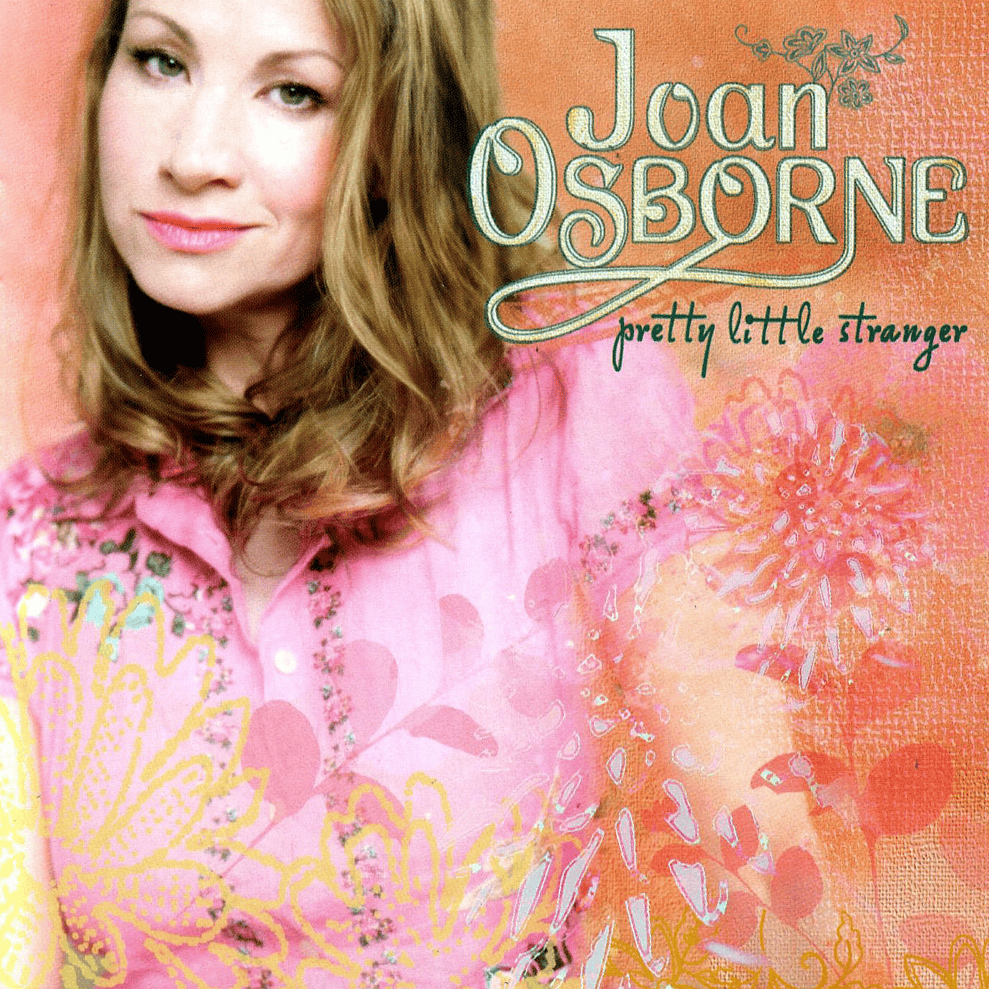
 View Artist