Song Meaning
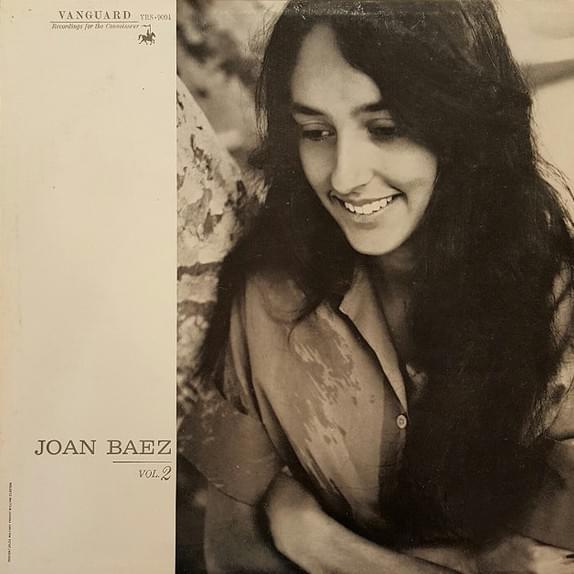
Joan Baez's interpretation of "Wagoner's Lad" isn't merely a folk song; it's a stark exploration of female agency, class disparity, and the crushing weight of societal expectations. The lyrics paint a portrait of a young woman trapped within the rigid confines of her era, lamenting "hard is the fortune of all woman kind." This opening declaration isn't just a personal grievance; it’s a condemnation of a system where women are perpetually controlled, moving from the dominion of parents to the servitude of a husband. Her love for the 'wagoner's lad' becomes a symbol of rebellion against this preordained path. He represents a life outside the gilded cage, a connection to genuine labor and personal freedom that her parents, blinded by social climbing, cannot comprehend. Her parents' rejection of him because "he is poor" underscores the cruel economics of love and marriage, where a woman's worth is often measured by her partner's wealth and status.
The tension in "Wagoner's Lad" escalates as the woman pleads with her departing lover, desperately seeking connection and a reason for him to stay. Her offers of hay for his horses and repairs for his wagon are transparent attempts to prolong his presence. Yet, the wagoner's repeated refusals – "My horses ain't hungry, they won't eat your hay," "My wagon is greasy, my whip's in my hand" – reveal a heartbreaking truth. Is he truly indifferent, or is he resigned to the impossibility of their union, understanding that their love is a luxury they cannot afford in a world governed by social and economic barriers? His stoic departure, devoid of overt emotion, hints at a deeper understanding of their predicament. He knows the societal forces arrayed against them are too powerful to overcome.
Ultimately, the song's meaning resides in its unresolved tension. The woman's yearning for a life beyond societal constraints is palpable, but the wagoner's departure leaves her fate uncertain. The listener is left to ponder whether she will succumb to the pressures of her family and marry for status rather than love, or whether she will find a way to forge her own path despite the obstacles. Baez's rendition amplifies the song's inherent melancholy, transforming it into a timeless commentary on the enduring struggle for female autonomy and the bittersweet reality of love in a world defined by inequality. The wagoner's lad becomes an emblem of a road not taken, a symbol of lost potential and the enduring power of societal constraints to shape individual destinies.
 View Artist