Song Meaning
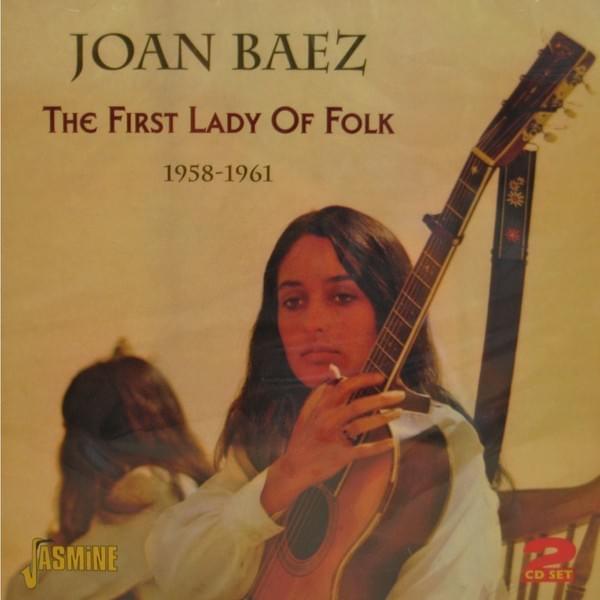
{"song_id": 14485230, "meaning": "Joan Baez's rendition of the traditional song \"Told My Captain\" isn't just a sea shanty; it's a chilling indictment of unchecked power and the brutal dehumanization inherent in systems of exploitation. The repetitive verses, initially focused on physical discomfort – cold hands, cold feet – quickly escalate into a desperate plea for recognition and fair treatment. This progression mirrors the psychological toll of oppression, where initial grievances, seemingly minor, accumulate into a crushing sense of injustice. The captain's dismissive response, \"God damn your hands, boy,\" reveals a contemptuous disregard for the worker's basic humanity, reducing him to a mere tool in the captain's pursuit of profit. It's a stark portrait of a power dynamic where empathy is absent, and individual needs are suppressed for the sake of the collective, or rather, the captain's, gain.
The lyrics delve deeper into the psychological breaking point. The worker's observation that it's \"past quittin' time\" and the whistle has blown, yet he's still being forced to work, highlights the arbitrary nature of authority. This isn't just about physical labor; it's about the theft of time, the erosion of personal autonomy, and the feeling of being trapped in a system that offers no escape. The rising tension culminates in the graphic violence of the captain shooting the worker's \"buddy.\" This act serves as a stark symbol of the ultimate consequence of unchecked power: the casual destruction of human life. It's a moment of irreversible trauma, underscoring the inherent brutality lurking beneath the surface of seemingly mundane exploitation.
Ultimately, \"Told My Captain\" transcends its historical context to become a timeless allegory for the struggle against oppressive forces. The final verses, with the buzzards circling and the prediction of the captain's demise, offer a glimmer of hope, suggesting that even the most entrenched systems of power are ultimately vulnerable. The song's enduring power lies in its unflinching portrayal of the psychological and physical costs of exploitation, reminding us that the fight for justice is often a fight for basic human dignity. Baez's interpretation amplifies the song's haunting quality, transforming it into a powerful meditation on resistance and the enduring human spirit."}
 View Artist