Song Meaning
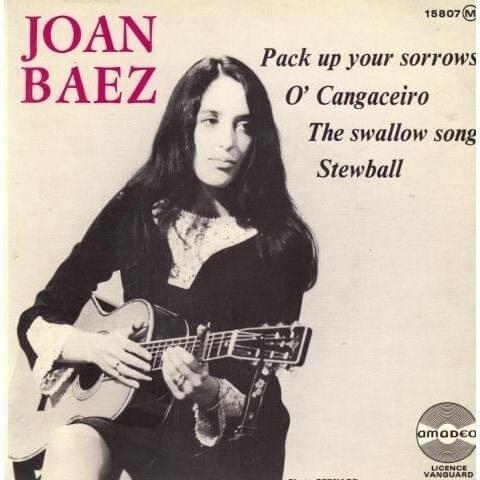
{"song_id": 14485485, "meaning": "Joan Baez's \"The Swallow Song\" isn't a protest anthem in the vein of her most famous work, but it carries a different kind of weight, one rooted in introspection and the search for solace amidst existential uncertainty. The lyrics present a layered invitation: to find peace in nature, specifically by observing the swallows in flight. These birds become potent symbols of freedom, their solitary roaming a kind of enviable power against a backdrop of implied turmoil. The opening verses aren't just pastoral scene-setting; they're actively prescribing a method of coping. The listener is urged towards a quiet contemplation of the natural world as a balm for inner unrest. The absence of explicit political messaging doesn't make the song apolitical; it suggests a retreat inward as a response to a world in chaos. Perhaps the only truly radical act left is to find moments of peace.
The second half of the song introduces a series of unsettling questions. \"Do you hear the calling of a hundred thousand voices?\" shifts the focus from individual experience to a collective consciousness, hinting at societal upheaval and unrest. The \"angry bells ringing in the night\" evoke a sense of impending doom, a stark contrast to the initial tranquility. The swallows, previously symbols of freedom, now represent something lost or absent: \"Do you hear the swallows when they've flown?\" This absence underscores the fragility of peace and the ever-present threat of disruption. It raises the question of whether such freedom is sustainable.
The final verse delves into personal vulnerability. The image of petals blowing from one's hand suggests a loss of control, a surrender to the forces of nature and fate. The questions posed – \"will some loving ease your pain?\" – reveal a deep yearning for comfort and connection. The most haunting line, \"will the silence strike confusion from your soul?\" speaks to the terrifying possibility of being overwhelmed by existential dread. The concluding question, \"will the swallows come again?\" is left unanswered, leaving the listener suspended between hope and despair, wondering if peace, freedom, and a sense of belonging can ever truly be reclaimed. The song doesn't offer easy answers, instead, it dwells in the ambiguity of human experience, suggesting that even in the darkest of times, the memory of freedom, symbolized by the swallows, can offer a flicker of hope."}
 View Artist