Song Meaning
Joan Baez's haunting rendition of "The Angel" isn't just a song; it's a miniature psychological drama played out in verse. The lyrics, stark and allegorical, paint a picture of a soul wrestling with innocence, loss, and the inevitable hardening that comes with age. The initial dreamscape, where the narrator is a "maiden Queen" protected by a gentle angel, speaks to a state of naive grace, a time before experience taints the soul. The angel figure itself represents a kind of benevolent guidance, a force that soothes sorrow ("he wiped my tears away"). But here's the rub: even in this idyllic setting, there's a withholding, a secret desire hidden from the very being meant to protect. This act of concealment, of not being fully vulnerable, sets the stage for the angel's departure. The lyrics subtly reveal the inherent paradox of seeking comfort while simultaneously guarding one's true self. The blush of dawn after the angel's flight signals a rude awakening, a transition from sheltered innocence to a world demanding self-defense. The narrator, now stripped of angelic protection, prepares for battle, arming herself with "ten-thousand shields and spears."
The return of the angel is the song's tragic climax. The narrator, once a "maiden Queen," is now aged, her youth and vulnerability replaced by hardened defenses. The angel's arrival is "in vain" because the very essence of what he sought to protect—the open, unguarded heart—has been lost. The meaning of the song shifts from a lament for lost innocence to a cautionary tale about the price of self-preservation. The "ten-thousand shields and spears" that once seemed like a source of strength now stand as a barrier, preventing connection and ultimately rendering the angel's love obsolete. The lyrics suggest that the fear of vulnerability, the act of hiding one's "heart's delight," can lead to a self-imposed exile, a prison built of one's own defenses.
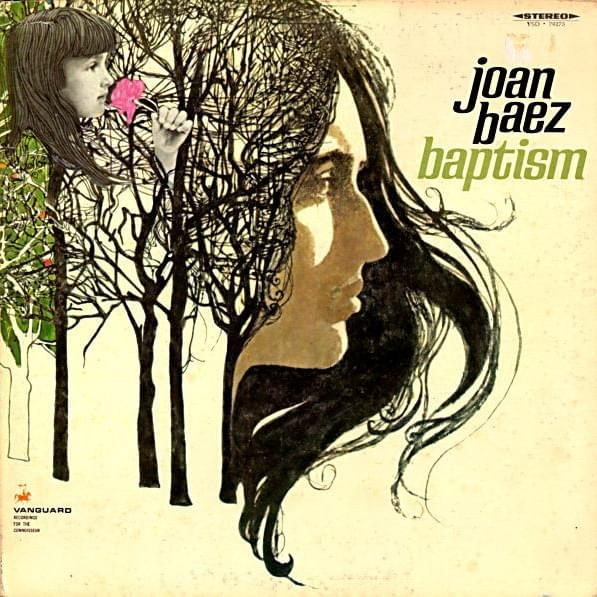
Baez's interpretation amplifies the song's inherent melancholy. Her voice, at once pure and world-weary, perfectly embodies the narrator's journey from innocence to hardened experience. "The Angel," then, is not simply a story about an angel; it's a profound exploration of the human condition, a meditation on the delicate balance between vulnerability and self-protection, and the tragic consequences of choosing the latter. It's a stark reminder that sometimes, the very defenses we build to protect ourselves are the ones that ultimately imprison us, leaving us longing for the connection we pushed away.
 View Artist