Song Meaning
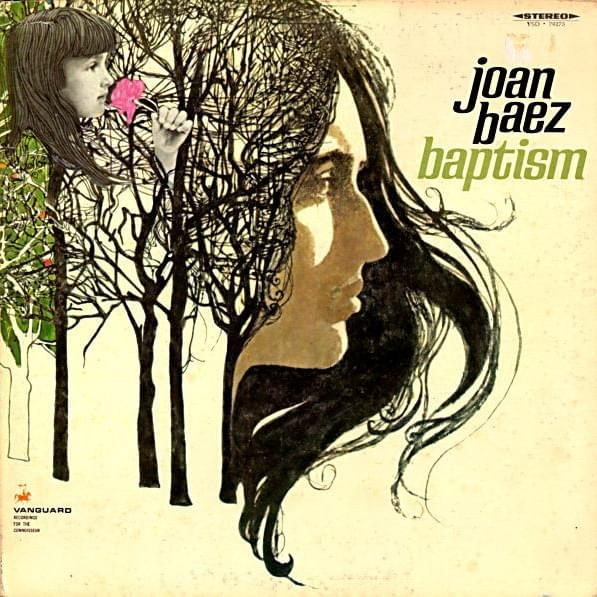
{"song_id": 14485185, "meaning": "Joan Baez's rendition of \"Gacela of the Dark Death\" is not merely a song; it's a descent into the subconscious, a lyrical exploration of mortality and the yearning for oblivion. Rooted in the poetry of Federico García Lorca, the song meaning transcends simple lament, instead, positioning itself as a visceral rejection of earthly suffering and a desperate embrace of the void. The opening lines, \"I want to sleep the dream of the apples / To withdraw from the tumult of cemeteries,\" immediately establish this desire for escape, a longing to shed the weight of existence and find solace in a dreamlike state, far removed from the chaos of death. The imagery is striking, almost surreal, evoking a sense of profound weariness. This isn't just about physical death; it's about the death of the spirit, the exhaustion of enduring the world's pain.
The recurring motif of sleep is central to understanding the song's emotional core. It's not just sleep as rest, but sleep as a metaphor for oblivion, a refuge from the relentless torment of life. Baez sings, \"I want to sleep a while / A while, a minute, a century,\" highlighting the ambiguous nature of this desire. Is it a fleeting wish or a profound, unending need? The lyrics suggest both, capturing the paradoxical human desire to escape suffering while simultaneously clinging to existence. There's a tension between the longing for peace and the awareness that such peace might only be found in non-existence. The \"dark child / Who wanted to cut his heart on the high seas\" represents the wounded self, the part of us that seeks self-destruction as a release from pain.
However, the song isn't solely an exercise in morbidity. Sprinkled throughout are defiant assertions of self, resisting total annihilation. \"But all must know that I have not died / That there is a stable of gold in my lips,\" Baez declares, a powerful assertion of enduring essence. This is not a simple surrender, but a complex negotiation with death. The lines \"That I am the small friend of the west wind / That I am the immense shadow of my tears\" paint a picture of a speaker both vulnerable and resilient, connected to the natural world yet burdened by sorrow. The final verses, pleading to be covered at dawn to avoid the torments the morning brings, drive home the song's core message: a profound yearning for peace in the face of relentless suffering, a battle between the desire for oblivion and the enduring spark of the self."}
 View Artist