Song Meaning
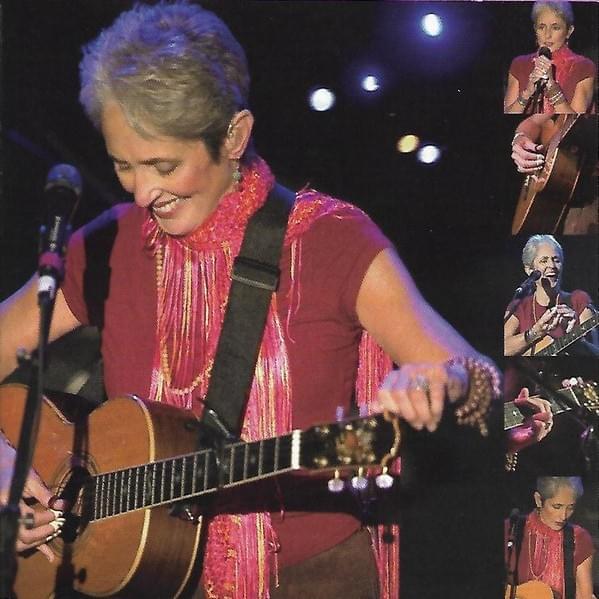
{"song_id": 14485267, "meaning": "Joan Baez's rendition of \"Dink's Song\" isn't just a folk tune; it's a stark emotional landscape painted with spare, haunting verses. The cyclical \"Fare thee well, my honey, fare thee well\" acts as both a mournful goodbye and a binding agent, stitching together fragmented memories of love, loss, and abandonment. The opening image of Noah's dove, a symbol of hope and escape, immediately clashes with the reality of the narrator's earthbound sorrow. This juxtaposition sets the stage for a lyrical exploration of a relationship fractured by infidelity and its devastating consequences. The \"long and tall\" lover, initially celebrated for his vitality (\"Moved his body like a cannon ball\"), becomes a source of pain and regret.
The lyrics subtly chart the progression of the relationship's decay. The image of wearing an apron \"low\" and keeping someone \"away from my door\" suggests an earlier period of guardedness, perhaps a desire to protect herself from vulnerability. The shift to wearing the apron \"up to my chin\" signifies a complete emotional withdrawal; the lover may pass by, but intimacy is no longer an option. This transformation speaks to the psychological impact of betrayal, the way it can harden the heart and create impenetrable barriers.
The song's most devastating lines hint at the narrator's pregnancy and the lover's unwillingness to provide support: \"Muddy river runs muddy 'n' wild/You can't care the bloody for my unborn child.\" The \"muddy river\" serves as a potent metaphor for the chaotic and uncertain future facing the narrator and her child. The reference to the \"Number nine train\" suggests a longing for escape, a desperate desire to return to a place of safety and belonging. The final verse, with its image of a man speeding away (\"Skid Missouri on the way to Arkansas\"), reinforces the theme of abandonment and the narrator's profound sense of isolation. Ultimately, the song meaning in \"Dink's Song\" resides in its raw depiction of heartbreak, resilience, and the enduring power of folk music to convey the complexities of the human experience."}
 View Artist