Song Meaning
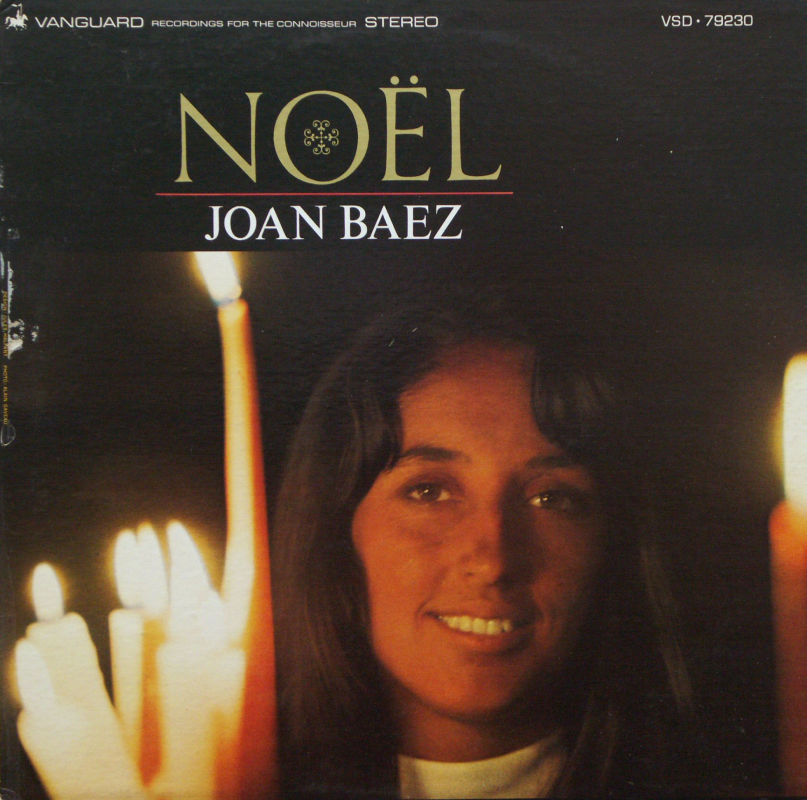
"Away in a Manger," rendered with stark simplicity by Joan Baez, isn't merely a Christmas carol; it's a carefully constructed tableau of idealized innocence and divine humility. The lyrics paint a picture of the infant Jesus in extreme poverty, "Away in a manger, no crib for a bed," immediately establishing a theme of God incarnate embracing the lowest of circumstances. This deliberate contrast—the King of Kings in a cattle stall—serves as a powerful symbolic inversion, challenging conventional notions of power and status. Baez's interpretation, stripped of excessive ornamentation, amplifies this core message. The song subtly reinforces a theological concept: the divine becoming accessible through vulnerability.
The second verse introduces a curious element: the unnaturally placid nature of the baby Jesus. "But little Lord Jesus, no crying he makes." This absence of typical infant behavior veers into hagiography, presenting an image of preternatural serenity. The lyrics also shift perspective, moving from detached observation to personal adoration: "I love thee, Lord Jesus." This transition marks a crucial turn, inviting the listener into a direct, intimate relationship with the divine. It's no longer just a story; it's a prayer, a whispered promise of devotion.
Ultimately, "Away in a Manger," especially as delivered by Baez, functions as both a lullaby and a declaration of faith. The final lines, "And stay by my cradle, 'Til morning is nigh," transform the listener into the child, seeking protection and solace from the very figure they're meant to revere. This blurring of roles – the worshiper becoming the vulnerable, the divine offering comfort – encapsulates the song's enduring appeal. It’s a vision of a God not distant and demanding, but intimately present, a quiet guardian against the darkness. The song's genius lies in its ability to evoke profound feelings of peace and belonging through deceptively simple imagery and language.
 View Artist