Song Meaning
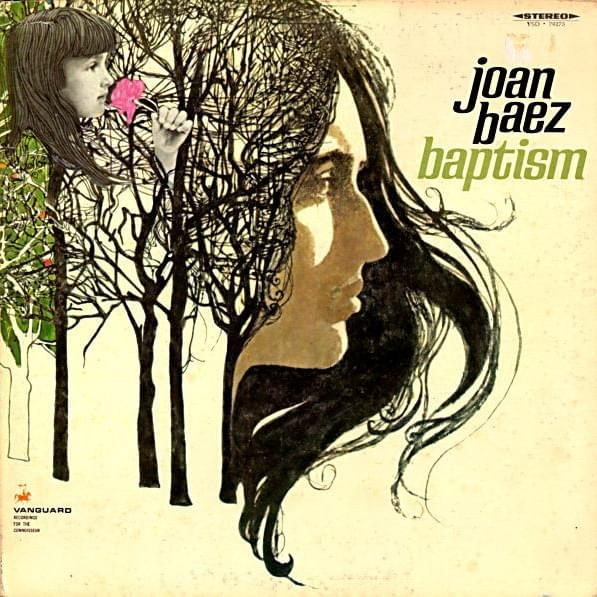
Joan Baez's rendition of "All the Pretty Little Horses" isn't just a lullaby; it's a chilling exploration of comfort offered alongside inescapable dread. The surface promises idyllic beauty: a child's dream of ponies. But beneath the soothing melody lurks a stark contrast, a brutal image of a lamb's suffering. The juxtaposition is jarring. It's the psychological push-and-pull between the desire to protect innocence and the grim realities that intrude, even into the safest spaces. The 'pretty little horses' become a fragile shield against the cruelties 'way down yonder in the meadow.'
The song's power rests in its ambiguity. Is the lamb a symbol of lost innocence? A premonition of suffering to come? Or perhaps a reflection of the mother's own anxieties, projected onto the child's fragile world? The bees and butterflies, normally symbols of beauty and transformation, become agents of horror, picking out the lamb's eyes. This vivid imagery disrupts the expected tranquility of a lullaby, forcing the listener to confront the darkness that exists alongside the light. The lamb's cry of 'Mami' is particularly haunting, a primal scream of abandonment and pain.
Ultimately, "All the Pretty Little Horses," as interpreted by Baez, becomes a meditation on the impossibility of fully shielding our children—or ourselves—from the harsh realities of the world. The lullaby, repeated as a refrain, offers a temporary reprieve, a fragile promise of comfort. But the underlying anxiety remains, a persistent hum of dread that lingers long after the song ends. It's a lullaby for a world where even the prettiest horses cannot outrun the darkness.
 View Artist