Song Meaning
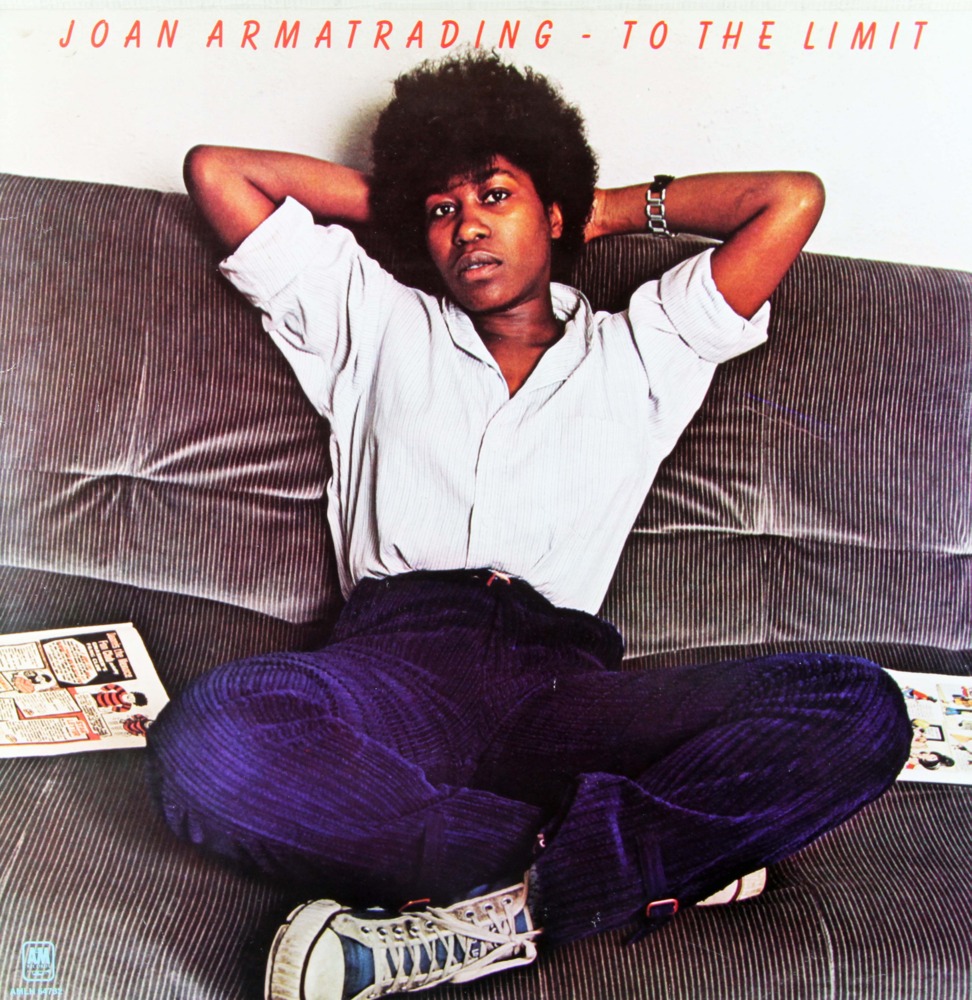
Joan Armatrading's "Let It Last" isn't a saccharine plea for eternal romance; it's a hard-won demand for respect, disguised as a love song. The opening verses paint a stark portrait of isolation and disillusionment. Armatrading doesn't just state she was lonely; she emphasizes the *habit* of loneliness, a spirit perpetually weighed down. This isn't a passing sadness; it's an ingrained state of being, contrasted sharply with the deceptive promise of brighter prospects elsewhere ("The grass was getting greener"). The winter imagery suggests a cyclical despair, a personal season of hardship that keeps returning. The frustration is palpable. She depicts herself as simultaneously lost in a crowd and isolated, trapped in a self-referential loop of empty promises.
The second half of "Let It Last" marks a turning point, a defiant assertion of self-worth. Armatrading acknowledges past struggles ("getting up to get kicked down"), but refuses to remain a victim. The lyrics pivot from passive suffering to active agency. The lines, "I got no use for you if you're only / Only out to treat me unkind," aren't a request; they're a declaration of boundaries. This is a mature, self-aware understanding of relationships, recognizing that kindness and respect are not optional extras, but fundamental requirements.
The chorus, with its simple yet powerful refrain of "Let it last forever / Until we die," isn't just about romantic longevity. It's about the endurance of that mutual respect and kind treatment. It's a desire for a relationship built on solid ground, one where both parties commit to cherishing each other's well-being. The song's genius lies in its ability to blend vulnerability with strength, transforming a personal struggle into a universal anthem for healthy, reciprocal relationships. It's a reminder that true love isn't just about feelings; it's about conscious effort and unwavering commitment to treating each other right, for the long haul.
 View Artist