Song Meaning
The lyrics paint a stark picture of deep despair, beginning with a simple declaration: "Trouble in mind, I'm blue." This initial statement, however, quickly escalates, revealing a mind teetering on the edge, where "life ain't worth living" and the narrator "almost lost my mind." The immediate emotional tone is one of profound sadness and a desperate yearning for an end to suffering.
This despair culminates in a chilling image of seeking oblivion on a train track, "lay my head / On some lonesome redroad iron." The narrator expresses a desire for the "two-nineteen train" to "Ease my troubling mind," suggesting a suicidal ideation born from overwhelming mental anguish. It's a raw, unvarnished portrayal of hitting rock bottom, where the only perceived escape is through self-destruction.
Yet, amidst this darkness, a flicker of hope emerges. The narrator asserts, "But I won't be blue always / Father's sun will shine / In my backdoor some day." This contrast between present misery and future redemption is central to the song's emotional arc. The idea of a "Father's sun" offers a spiritual or external source of comfort that might eventually break through the current gloom, even if it feels distant.
The effectiveness of these lyrics lies in their directness and the stark juxtaposition of utter hopelessness with a fragile, almost defiant, belief in a better future. The simple, repetitive structure of "Trouble in mind" anchors the listener in the narrator's persistent state, while the imagery of the train and the "Father's sun" provides potent, contrasting visions of escape and salvation.
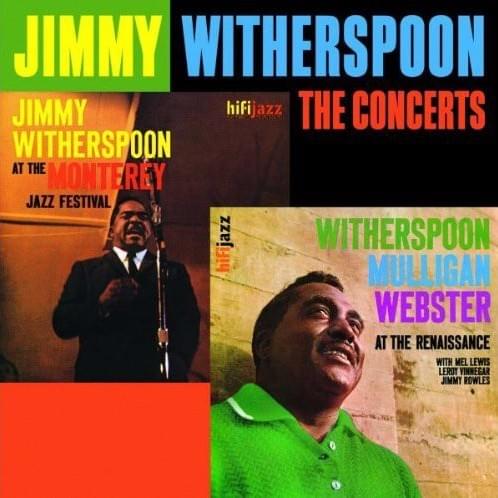
 View Artist