Song Meaning
The lyrics paint a stark picture of economic hardship, where the value of money is rapidly diminishing. The opening lines immediately establish this, with "money's gettin' cheaper" and "prices gettin' steeper" setting a tone of financial struggle. This isn't just about abstract inflation; it's about tangible consequences, like the inability to buy basic goods such as pork chops, even when the narrator has money to spend. The repeated refrain, "Times gettin' tougher than tough / Things gettin' rougher than rough / I make a lot of money / I just keep spendin' the stuff," hammers home the feeling of a losing battle against rising costs.
The central tension lies in the narrator's struggle to maintain a semblance of normalcy and afford basic necessities in an increasingly unaffordable world. The failed attempt to buy pork chops is a potent image of this disconnect between income and cost of living. Even personal relationships become casualties of this pressure, as the narrator "Found myself a woman / But I just couldn't keep her," suggesting financial strain impacts more than just material possessions. The absurdity escalates to the point where even death is presented as a luxury, with the undertaker's union making it "too much to die."
A key piece of craft is the direct, almost conversational address to societal issues, particularly the politicians. The narrator questions why leaders advocate for austerity measures like cutting meat when the real problem, from his perspective, is the prohibitive cost. This rhetorical question, "Why don't they cut the price / And let the people eat?" highlights a perceived disconnect between those in power and the everyday struggles of ordinary people. The simple, repetitive structure of the chorus reinforces the inescapable nature of the economic downturn.
Ultimately, the effectiveness of these lyrics stems from their blunt honesty and relatable depiction of financial anxiety. By grounding the abstract concept of inflation in concrete examples like groceries and the cost of dying, the song creates a visceral sense of frustration. The narrator's resigned yet defiant repetition of spending his money, despite its diminishing returns, captures a spirit of trying to keep up in a system that feels rigged against him.
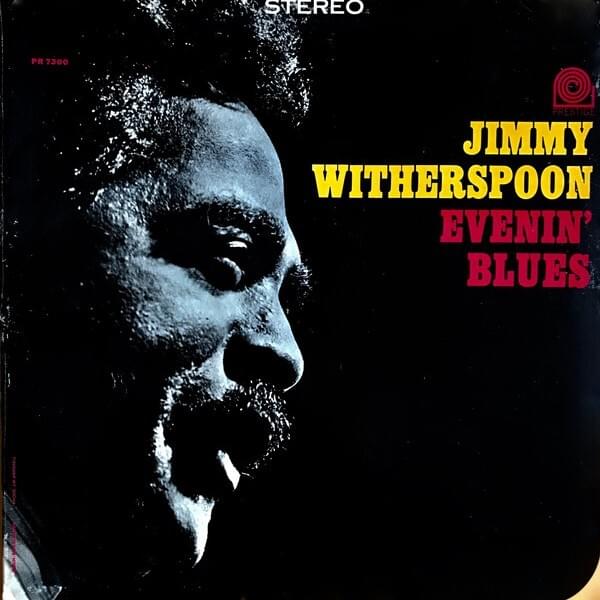
 View Artist