Song Meaning
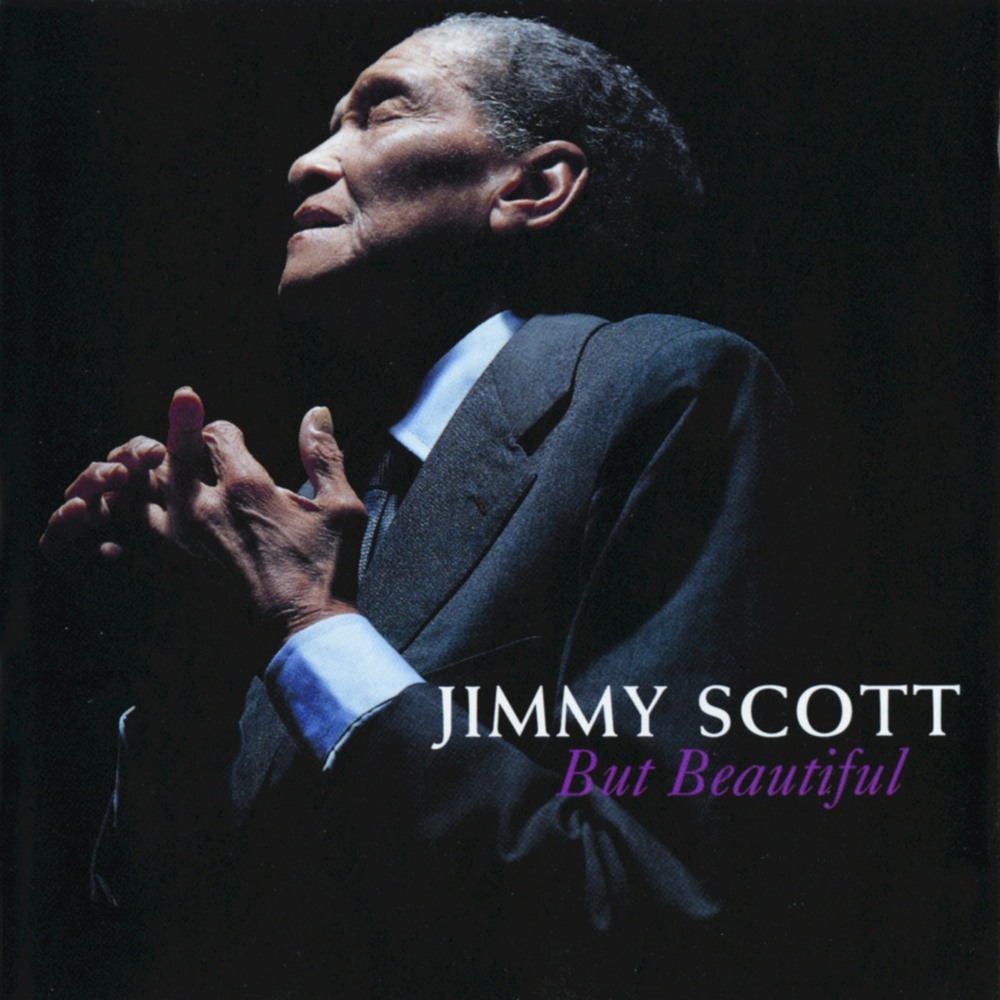
Jimmy Scott's rendition of "Take My Hand, Precious Lord" transcends mere gospel; it's a masterclass in vulnerability, a raw, exposed nerve laid bare through song. The lyrics themselves are deceptively simple, a plea for guidance and solace in the face of exhaustion and the encroaching darkness of mortality. But it's Scott's delivery, his signature quavering voice, imbued with decades of personal hardship and artistic struggle, that elevates the song to a profound statement about the human condition. He doesn't just sing the words; he embodies them, transforming a traditional hymn into a deeply personal testament. He makes the listener feel the weight of the world.
The power of "Take My Hand, Precious Lord" lies in its stark honesty. Scott isn't projecting an image of unwavering faith or religious certainty. Instead, he presents himself as someone weary, acknowledging his weakness and dependence. The recurring request, "Take my hand, precious Lord, lead me home," isn't a triumphal declaration but a desperate whisper, a yearning for comfort and direction when faced with the unknown. It reflects a profound understanding of the human need for connection and support, particularly when confronted with life's most daunting challenges.
Consider the lines, "I am tired, I am weak, I am worn." These aren't just words of supplication; they are a stark acknowledgement of human frailty. Scott's performance underscores this vulnerability, his voice cracking with emotion as he navigates the melody. The song's enduring appeal comes not from religious dogma, but from its universally relatable theme of seeking comfort and guidance in times of despair. It is, at its core, a song about the fundamental human need for connection and the hope for a peaceful resolution to life's struggles. In Scott’s interpretation, it achieves a devastating, almost unbearable beauty.
 View Artist