Song Meaning
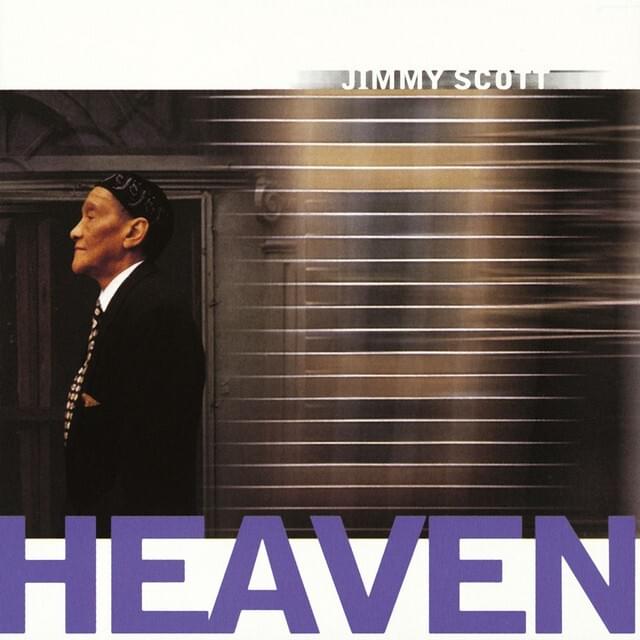
Jimmy Scott's rendition of "There's No Disappointment In Heaven" isn't just a gospel hymn; it's a masterclass in emotional processing. The lyrics paint a vivid picture of celestial escapism, a place meticulously scrubbed clean of earthly suffering. It speaks to the human yearning for solace, a psychological refuge from the relentless barrage of 'weariness, sorrow, or pain.' The minor refrain, so common in our lives, is banished in this idealized space, replaced by perpetual sunshine and gladness. Scott, with his signature androgynous vocal fragility, transforms what could be simple religious platitudes into a profound statement about hope and resilience. He understands that the appeal of Heaven isn't just about divine reward, but the promise of emotional cessation.
The song's power lies in its stark contrast between the idealized Heaven and the acknowledged pain of earthly existence. The lines about bleeding hearts and broken songs aren't dismissed; they're recognized as inherent parts of the human condition. The chorus, with its declaration of being 'bound for that beautiful city,' becomes less a statement of faith and more an act of determined optimism. It's the sound of someone actively choosing hope in the face of despair, a conscious decision to orient oneself toward a future free from the 'clouds on the earthly horizon.'
Ultimately, "There's No Disappointment In Heaven" functions as a form of aspirational therapy. The 'beautiful city of gold' isn't just a place; it's a symbol of emotional healing and wholeness. Scott's interpretation acknowledges the very real, very human desire to escape suffering, transforming a traditional hymn into a deeply personal and psychologically resonant experience. The recurring motif of homesickness for Heaven is not just religious longing, but a lament for the inherent imperfections of human life, and a yearning for a state of perpetual emotional peace.
 View Artist