Song Meaning
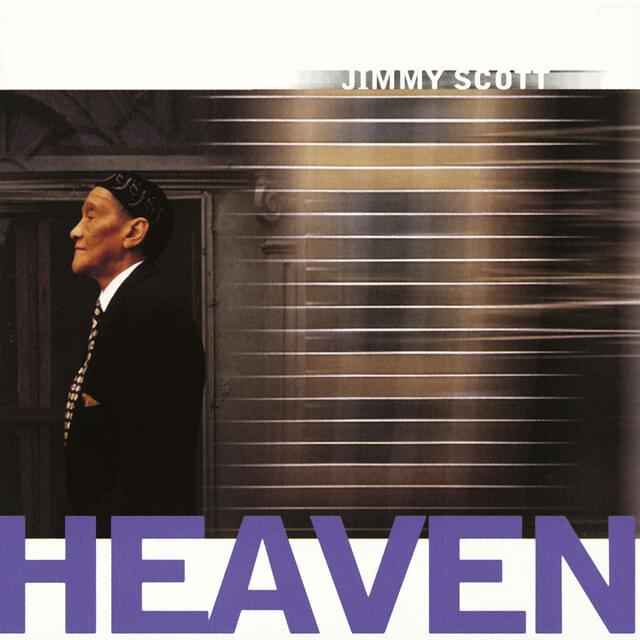
Jimmy Scott's "Heaven" isn't about pearly gates or celestial choirs; it’s a far more unsettling vision of eternity. The song's brilliance lies in its stark simplicity, a repetitive mantra that slowly unravels the listener's expectations of paradise. The recurring line, "Heaven is a place where nothing ever happens," isn't comforting; it's a chilling depiction of existential stasis. Scott paints a picture of a bar where everyone is trying to get in, drawn by the promise of… what, exactly? A favorite song played endlessly? A party where everyone leaves at the same time? The lyrics suggest a gilded cage, a loop of predictable experiences masquerading as bliss. It's a heaven stripped of dynamism, a state of being where even excitement becomes monotonous.
The true genius of the song is in its ambiguity. Is this heaven a reward or a punishment? The lyrics hint at a deeper anxiety about the human condition – the fear of meaninglessness, the search for novelty, and the ultimate futility of endless repetition. The kiss that restarts exactly the same underscores this point perfectly: even intimacy becomes sterile when divorced from genuine emotional growth or change. The "fun" described isn't ecstatic joy; it's the low-grade buzz of distraction, a temporary anesthetic against the void. The song subtly critiques our obsession with seeking pleasure without substance, a cycle that can lead to a different kind of hell.
Ultimately, the song meaning of "Heaven" rests on the listener's interpretation of "nothing." Is it tranquility, a release from earthly struggles? Or is it the ultimate horror – the absence of purpose, the echo of meaninglessness stretching into infinity? Scott doesn't offer easy answers. He presents a paradox: a heaven that promises everything and delivers… well, nothing. This unsettling vision forces us to confront our own definitions of fulfillment and happiness, questioning whether our pursuit of eternal bliss might lead us to an eternity of boredom. It's a haunting meditation on desire, expectation, and the unsettling possibility that what we crave most might be our own undoing.
 View Artist