Song Meaning
The narrator recounts a series of departures, tracing a path from Georgia in 1934, driven by a restless urge that overrides pleas from loved ones. Each move is framed by a specific year and a destination, creating a sense of determined, almost fated, progression. The repeated phrase "you know I left that town" underscores a pattern of leaving, suggesting a deep-seated need to move on, regardless of the emotional cost or the initial destination.
The emotional core of the lyrics lies in the contrast between the narrator's outward journey and the implied emotional toll on those left behind, particularly the "baby" in Georgia and the woman in Memphis who "didn't pay me no mind." While the narrator claims a destination, the act of leaving seems to be the primary impulse, a cycle of seeking something more or escaping something unsatisfactory. The progression from Georgia to Memphis, then to St. Louis, and finally to Chicago, maps a physical migration that mirrors an internal search.
The most striking aspect of the craft is the stark, almost formulaic structure of each verse: a year, a relationship or situation, the act of leaving, and the next destination. This repetition builds momentum, but also a sense of inevitability, as if the narrator is caught in a loop of departure. The final verse breaks this pattern, declaring Chicago as the "greatest place around" and a place to "stay" and "live." This shift from constant motion to a declaration of permanence is the song's central resolution, offering a hopeful, albeit abrupt, conclusion to the narrator's migratory story.
This narrative's effectiveness stems from its directness and the underlying tension between freedom and connection. The simple, declarative language makes the narrator's journey feel immediate and relatable, even as the reasons for leaving remain somewhat abstract. The final, emphatic embrace of Chicago provides a powerful sense of arrival and peace, suggesting that the long road finally led to a place of belonging.
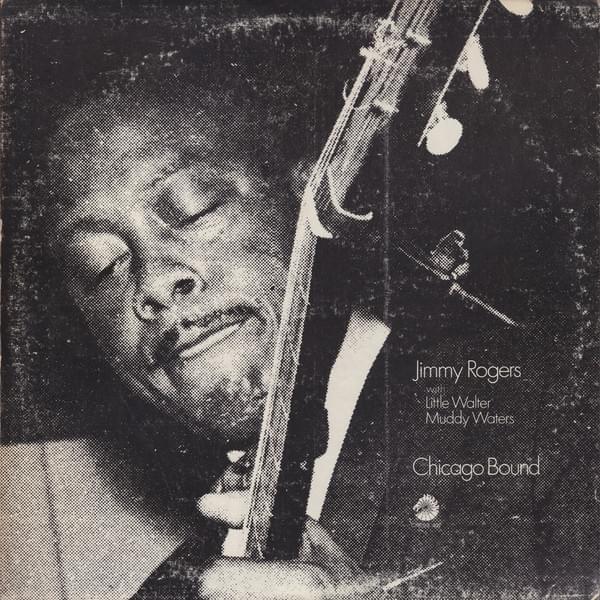
 View Artist