Song Meaning
The narrator recounts a life of restless movement, starting in Georgia in 1934 and progressively moving north. Each departure is marked by a plea from a loved one, a sentiment he dismisses with a repeated "you know I left that town." This refrain underscores a pattern of leaving relationships and places behind, driven by an internal pull towards the next destination. The journey is framed as a series of bound destinations: Memphis, then St. Louis, and finally, Chicago.
The central tension lies between the narrator's persistent need to move on and the emotional cost of those departures. His baby begs him not to go, and later, a woman he was loving "didn't pay me no mind," suggesting a growing detachment or perhaps a self-fulfilling prophecy of neglect. The repetition of "you know I left that town" acts as a verbal tic, a justification or perhaps a confession of his inability to stay put, even when affection is present.
The most striking aspect of the craft is the simple, almost childlike structure that builds a profound sense of melancholy. The consistent five-line verse, with its predictable rhyme scheme and the insistent "you know I left that town," creates a hypnotic, driving rhythm. This repetition, far from being monotonous, emphasizes the inescapable nature of his wanderlust. The final verse offers a stark contrast, a declaration of arrival and permanence in Chicago, yet it feels almost too abrupt, leaving the listener to wonder if this time the promise will hold.
This narrative's effectiveness stems from its stark portrayal of a life defined by motion rather than connection. The lyrics don't explicitly state *why* he leaves, but the pattern of pleas and subsequent departures paints a picture of someone chasing an elusive sense of belonging or perhaps running from something within himself. The final, emphatic declaration of staying in Chicago feels earned through the preceding verses, yet the lingering question of whether he truly can, given his history, is what makes the song resonate.
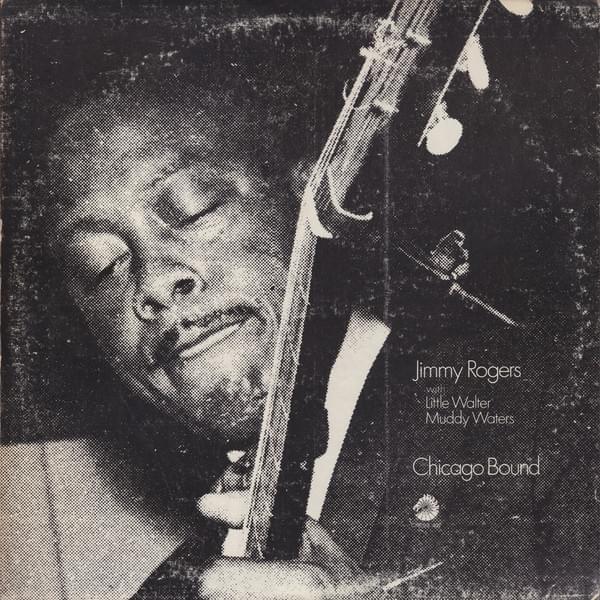
 View Artist