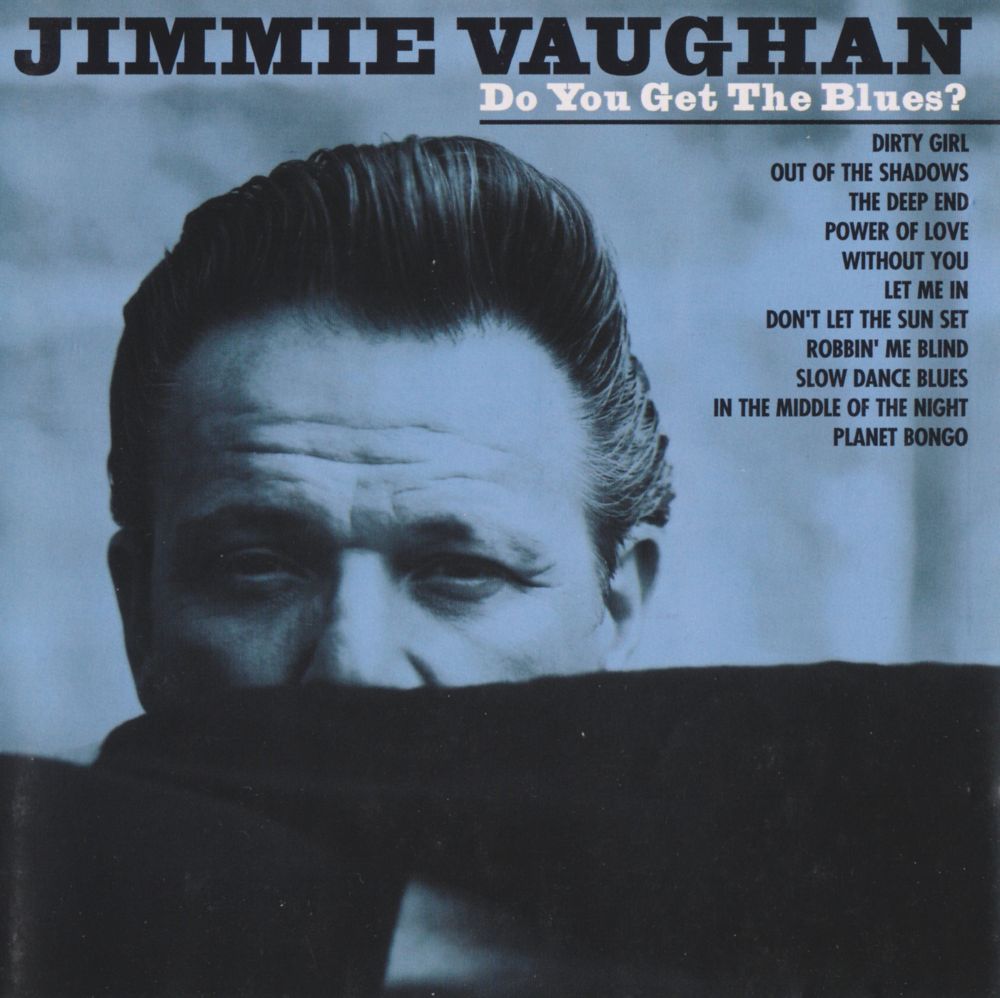
Song Meaning
Jimmie Vaughan's "In the Middle of the Night" isn't just a blues lament; it's a raw, exposed nerve of longing. The song meaning centers on that desolate space where regret and desire collide, amplified by the stillness and darkness. The repeated phrase, "In the middle of the night," acts as both a setting and a psychological state. It’s not simply about insomnia; it's about the witching hour when defenses are down, and the subconscious unleashes its torments. The cyclical nature of the lyrics mirrors the obsessive thought patterns of someone trapped in remorse. Vaughan isn't just missing someone; he’s actively haunted.
The song's power lies in its simplicity. There are no elaborate metaphors, just the stark admission of a man wrestling with his demons. The lines, "Dreams of you haunt my memories / And I'm prayin' you'll come back to me," reveal the depth of his vulnerability. He's not just remembering a lost love; he's being actively tormented by the memories, suggesting a profound sense of guilt or unresolved conflict. The specific mention of the hours – "At one, two, three, four and five o'clock sharp" – underscores the agonizing precision of his sleeplessness, each tick of the clock a reminder of his solitude.
Ultimately, "In the Middle of the Night" explores the torment of a love lost and the desperate hope for reconciliation. The plea, "If I've done something wrong / That I shouldn't have done / Won't you please try and realize," hints at a transgression, a past mistake that fuels his present suffering. The description of the lost love as "divine" elevates the stakes; it's not just about missing someone, it's about yearning for something sacred that he fears he's irrevocably damaged. Jimmie Vaughan distills the universal experience of heartbreak into its most potent and relatable form, a midnight prayer for redemption.