Song Meaning
Jimmie Vaughan's "Out of the Shadows" isn't reinventing the blues wheel, and it doesn't need to. What it *does* offer is a masterclass in economical songwriting, where the simplicity of language belies a profound emotional shift. The song meaning centers on a transition from darkness to illumination, a journey many listeners can immediately connect with. But the genius lies in how Vaughan personalizes this universal theme, grounding it in the tangible experience of romantic love. The shadows aren't just abstract anxieties; they represent a prior state of being lost and, crucially, *seen* by another.
The "light" isn't just any light; it's the light of *her* love. This is the crucial pivot. Vaughan's lyrics analysis reveals a profound dependency, not in a negative sense, but as an acknowledgment of the transformative power of connection. The repeated lines, "I was blind, but now I see" and "I was lost, but now I'm found," are classic blues tropes, but they are infused with a fresh sincerity precisely because of the specific object of devotion. The phrase "Out of the trouble of this old world / Into the arms of the perfect girl" could read as naive in lesser hands, but Vaughan delivers it with a world-weariness that makes it believable. He's not searching for perfection in an abstract sense; he's found solace from the world's chaos in a specific, loving embrace.
Ultimately, "Out of the Shadows" operates on the level of pure feeling. It's less about complex narrative and more about conveying a visceral sense of gratitude and relief. The cyclical nature of the lyrics, the return to the opening lines, mirrors the feeling of being securely anchored in love. It's a testament to the enduring power of simple, heartfelt expression, proving that sometimes, the most profound statements are the ones that resonate on a primal, emotional level. The instrumental breaks and simple refrain work to emphasize this feeling of 'coming home' to love, a sanctuary from the darkness.
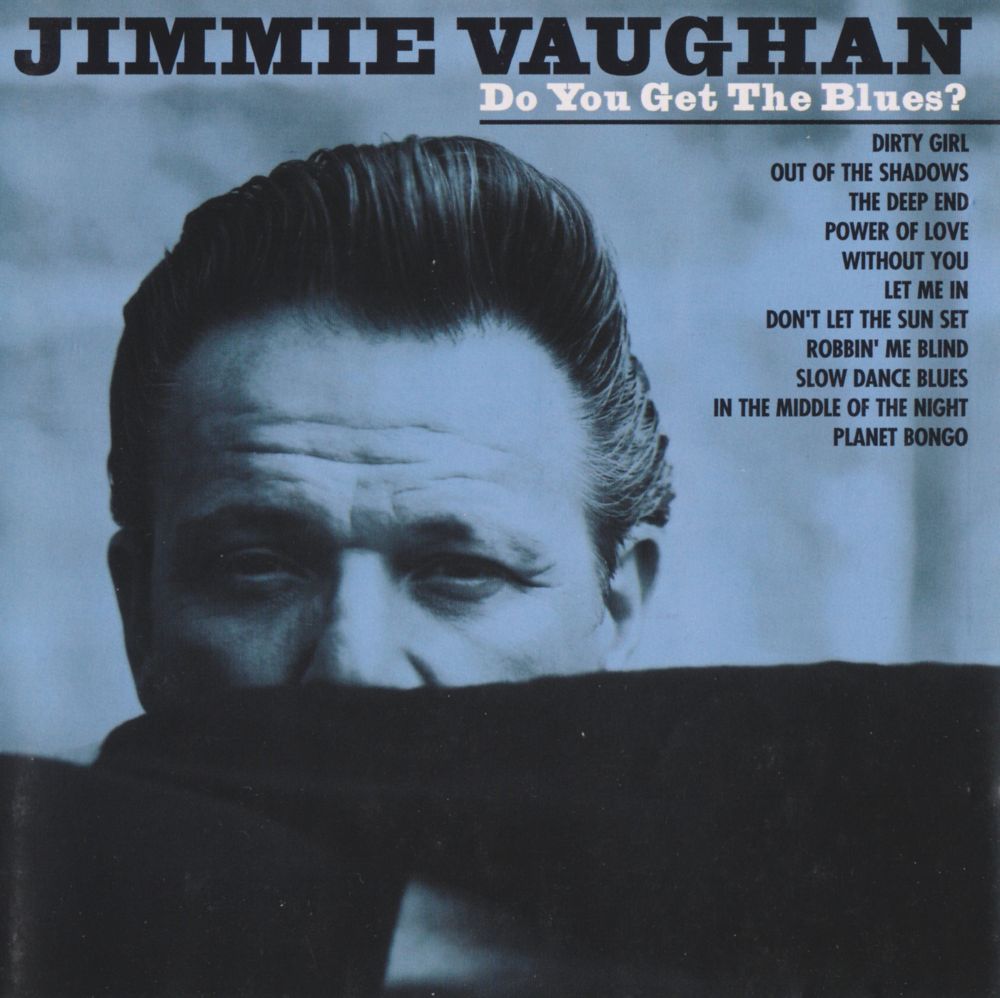
 View Artist